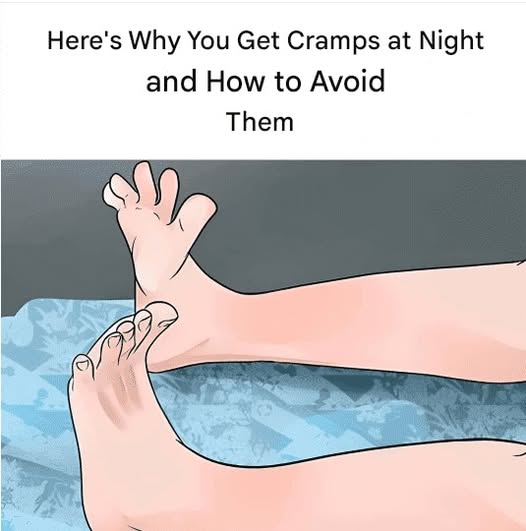
Discover why leg cramps happen at night, the common triggers, what you can do for quick relief, and simple ways to help prevent painful nighttime cramps.
Waking up suddenly with a painful cramp in your calf, foot, or thigh can be extremely uncomfortable. Nighttime leg cramps are sudden, involuntary muscle contractions that can make the affected muscle feel tight, hard, or intensely painful. They often last from a few seconds to several minutes and may leave the muscle sore afterward.
Although occasional nighttime cramps are common and usually harmless, frequent or severe cramps can sometimes be related to certain habits, medications, or underlying health conditions.
Why Do Leg Cramps Happen at Night?
There isn’t always one single cause. Several factors can contribute to nighttime muscle cramps.
1. Muscle Fatigue and Overuse
Being on your feet for long periods, walking a lot, exercising intensely, or performing unfamiliar physical activity can tire the muscles. Fatigued muscles may be more likely to contract involuntarily, particularly when you’re resting at night.
2. Dehydration
Not drinking enough fluids throughout the day may contribute to muscle cramps. Sweating heavily because of exercise, hot weather, or physical work can increase fluid losses.
Keeping adequately hydrated throughout the day is important, especially in hot conditions.
3. Staying in One Position
Sleeping with your feet pointed downward or remaining in the same position for a long time may shorten certain muscles and make them more prone to cramping.
Gentle stretching before bed can sometimes help reduce muscle tightness.
4. Electrolyte Imbalances
Minerals such as potassium, magnesium, calcium, and sodium play important roles in normal muscle and nerve function.
An imbalance can sometimes contribute to muscle spasms or cramps. However, taking supplements isn’t always the answer. Low mineral levels can have different causes, and unnecessary supplementation may be harmful.
A balanced diet is generally the best starting point.
5. Pregnancy
Leg cramps can become more common during pregnancy, particularly in the later months. Changes in circulation, increased pressure on nerves and blood vessels, muscle fatigue, and changes in fluid and mineral balance may all contribute.
Pregnant women with persistent or severe cramps should discuss them with their healthcare provider.
6. Certain Medications
Some medications can increase the likelihood of muscle cramps in certain people. Examples include some diuretics and cholesterol-lowering medications.
If cramps started after beginning a new medication, don’t stop taking it on your own. Ask your doctor or pharmacist whether the medication could be contributing.
7. Reduced Blood Flow or Nerve Problems
In some cases, nighttime cramps may be associated with circulation problems or conditions affecting nerves.
This is more concerning when cramps occur frequently or are accompanied by symptoms such as persistent numbness, weakness, swelling, or changes in skin color.
What Should You Do When a Cramp Happens?
When a cramp strikes, gently stretch the affected muscle.
For a calf cramp, try straightening the leg and slowly pulling the toes toward your face. You can also gently massage the cramped muscle.
Standing up carefully and putting some weight on the affected leg may also help if you’re able to do so safely.
Avoid aggressive stretching or forceful massage because the muscle can be tender during and after the cramp.
How Can You Prevent Nighttime Cramps?
A few simple habits may help reduce the frequency of cramps:
- Drink enough fluids throughout the day.
- Gently stretch your calves and legs before going to bed.
- Avoid suddenly increasing the intensity of exercise.
- Wear comfortable, supportive footwear during the day.
- Try to avoid remaining in one position for very long periods.
- Eat a varied, balanced diet containing fruits, vegetables, whole grains, dairy or suitable alternatives, and protein sources.
- Review medications with your healthcare provider if cramps began after starting a new medicine.
When Should You See a Doctor?
Occasional nighttime cramps are usually not a reason for concern. However, talk with a healthcare professional if cramps are frequent, severe, worsening, or regularly disturbing your sleep.
You should also seek medical advice if cramps occur along with significant swelling, persistent weakness, numbness, severe pain, skin changes, or other unusual symptoms.
Sudden swelling and pain in one leg, especially when accompanied by breathing difficulty or chest pain, requires urgent medical attention.
The Bottom Line
Nighttime leg cramps can happen for many reasons, including muscle fatigue, dehydration, prolonged positioning, pregnancy, certain medications, and sometimes underlying medical conditions. Fortunately, simple measures such as staying hydrated, gentle stretching, regular movement, and maintaining a balanced diet may help.
If your cramps keep coming back or are accompanied by other symptoms, it’s worth finding out what’s causing them rather than simply treating the pain each night.