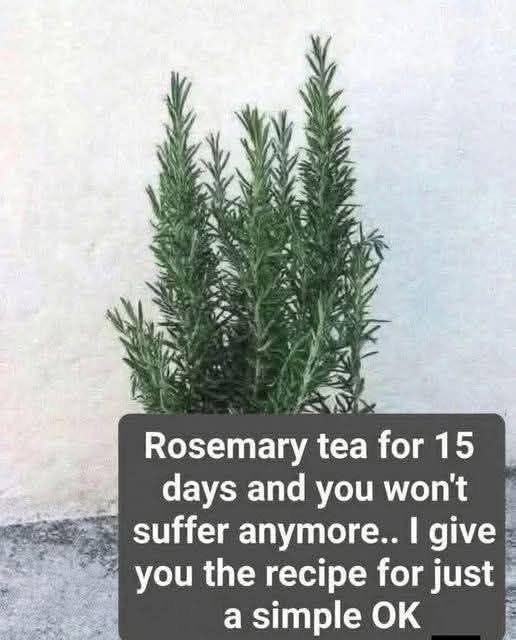
For generations, certain plants and herbs have been used in traditional wellness practices to support digestion, hydration, and overall health. One plant that frequently gets attention is [plant name], which is commonly prepared as a tea or added to food.
You may have seen claims online that this plant can “clean the blood,” “flush the kidneys,” or “detox the liver and pancreas.” While these claims can sound impressive, the human body already has natural systems—particularly the liver and kidneys—that process and remove waste. There is no single plant that can literally clean every organ in one step.
That said, some herbs contain naturally occurring compounds that may contribute antioxidants or other nutrients to the diet.
How Is This Plant Traditionally Used?
One of the simplest preparations is an herbal infusion.
You’ll Need
- A small amount of fresh or dried [plant name]
- 1 cup of hot water
- Optional: a little lemon for flavor
Preparation
- Wash the plant thoroughly if using fresh leaves.
- Place a small amount in a cup.
- Pour hot water over it.
- Cover and allow it to steep for several minutes.
- Strain before drinking.
- Add lemon if desired.
Avoid using very large quantities simply because a recipe describes an herb as “powerful.” More is not necessarily better, and some herbs can interact with medications or cause side effects.
What About “Detoxing” the Body?
The word “detox” is often used in wellness content, but it can be misleading. Your liver and kidneys continuously perform important functions that help maintain the body’s internal balance.
Rather than looking for a drink that supposedly cleans every organ, focus on habits that support normal body function:
- Drink adequate fluids.
- Eat a varied diet rich in vegetables and fruits.
- Include appropriate sources of protein and fiber.
- Limit excessive alcohol and highly processed foods.
- Stay physically active.
- Get adequate sleep.
- Follow medical advice if you have an existing health condition.
If you have kidney, liver, pancreatic, or other medical problems, don’t replace prescribed treatment with an herbal remedy.
A Simple Reminder
Natural does not automatically mean harmless. Herbs can have real biological effects, and some may interact with medicines or may not be appropriate during pregnancy, breastfeeding, or certain medical conditions.
If you’re considering using an herb regularly, especially in concentrated amounts, it’s best to check with a healthcare professional first.
Want More Simple Recipes?
If you enjoy easy homemade recipes, traditional food ideas, and practical kitchen tips, say “YES” in the comments and follow the page so you don’t miss the next recipe.