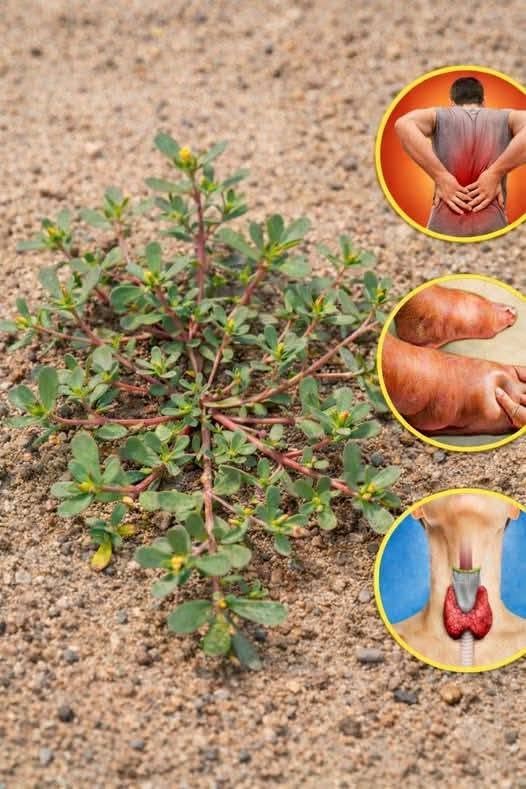
Discover the nutritional benefits of purslane, a nutrient-rich leafy plant containing omega-3 fatty acids and antioxidants, plus a simple homemade purslane skin treatment and important safety tips.
Purslane may look like an ordinary weed growing between garden plants, along sidewalks, or in cracks in the ground. But this humble green plant—Portulaca oleracea—has a surprisingly impressive nutritional profile.
It has traditionally been eaten in Mediterranean, Asian, African, and other cuisines, and modern research has examined its vitamins, minerals, omega-3 fatty acids, flavonoids, and other plant compounds.
Purslane has also attracted attention in skincare because it contains antioxidant and anti-inflammatory compounds. But there is an important distinction between promising laboratory or preliminary research and proving that a homemade purslane cream can actually reverse wrinkles or stop skin aging.
So, rather than calling it a miracle anti-aging treatment, think of purslane as an interesting plant that may complement a sensible skincare routine.
What Is Purslane?
Purslane is a succulent leafy plant with fleshy stems and small rounded leaves.
It grows easily in warm climates and can tolerate relatively poor or dry conditions. Although many people consider it a weed, purslane has been consumed as a vegetable for generations. Recent research also highlights its potential as a climate-resilient food crop.
Its nutritional profile is one reason it deserves more attention.
Purslane contains:
- Alpha-linolenic acid (ALA), a plant-based omega-3 fatty acid
- Vitamin C
- Vitamin E
- Carotenoids
- Potassium
- Magnesium
- Calcium
- Various polyphenols and flavonoids
The exact nutritional composition can vary depending on growing conditions and the plant variety.
Why Is Purslane Considered a “Superfood”?
The term superfood isn’t a scientific medical classification, but purslane certainly has an interesting nutrient profile.
1. It Contains Plant-Based Omega-3
Purslane is notable because it contains alpha-linolenic acid (ALA), an essential plant-based omega-3 fatty acid.
ALA is a nutrient the body needs and must obtain from food.
Purslane is therefore an interesting addition to a varied diet, especially for people who eat little or no fish. However, ALA is not identical to the EPA and DHA found in fatty fish, and the body converts only a portion of ALA into those longer-chain omega-3 fats.
2. It Provides Antioxidants
Purslane contains compounds including vitamin C, vitamin E, carotenoids, and polyphenols.
Antioxidants help protect cells from oxidative damage. Research reviews have also described antioxidant activity associated with purslane and its constituents.
This is one reason researchers have become interested in its possible applications in both nutrition and cosmetics.
3. It Provides Important Minerals
Purslane contains minerals such as potassium, magnesium, calcium, phosphorus, and iron.
Including a variety of vegetables in the diet is generally a much better strategy than relying on one plant for a particular nutrient.
4. It Contains Various Bioactive Plant Compounds
Research has identified flavonoids, alkaloids, terpenoids, polysaccharides, carotenoids, fatty acids, and other compounds in purslane.
Scientists continue to investigate these compounds for antioxidant and anti-inflammatory activity.
However, many findings come from laboratory, animal, or preliminary studies. That doesn’t mean eating purslane or applying it to the skin will produce the same effects in humans.
Can Purslane Really Help Your Skin?
This is where the topic gets interesting.
Purslane contains compounds with antioxidant and anti-inflammatory properties, and researchers have investigated its potential use in topical preparations.
Antioxidants are relevant to skin because the skin is continuously exposed to environmental stressors such as ultraviolet radiation and pollution.
But there is currently not enough high-quality evidence to say that homemade purslane cream reverses wrinkles, removes age spots, or makes skin dramatically younger.
A more accurate claim is that purslane contains compounds that make it an interesting ingredient for experimental or cosmetic formulations.
A Simple Homemade Purslane Skin Treatment
If you want to experiment with purslane on your skin, a small, freshly prepared gel-like treatment is safer than making a large jar of water-based cream and storing it for weeks.
You’ll Need
- A small handful of fresh, correctly identified purslane
- Clean water
- A clean blender or food processor
- A small, clean container
Step 1: Identify the Plant Correctly
Only use purslane that you are completely certain has been correctly identified.
Do not collect plants from roadsides, lawns treated with pesticides, areas contaminated by animals, or places where herbicides may have been used.
If you aren’t certain of the plant’s identity, don’t use it on your skin or eat it.
Step 2: Wash Thoroughly
Wash the purslane carefully under clean running water.
Remove dirt, insects, damaged leaves, and debris.
Step 3: Make a Small Amount
Blend the cleaned leaves and stems with a small amount of clean water until you have a smooth mixture.
You can strain it if you prefer a smoother texture.
Step 4: Patch Test First
Before putting it on your face, apply a tiny amount to a small area of skin, such as the inside of your forearm.
Wait and monitor the area for irritation.
If you develop burning, itching, swelling, redness, or a rash, wash it off and don’t use it again.
Step 5: Apply Carefully
If there is no reaction, apply a thin layer to clean skin.
Avoid:
- Eyes
- Eyelids
- Lips
- Open wounds
- Broken or irritated skin
Leave it on briefly and rinse if your skin becomes uncomfortable.
Why I Wouldn’t Recommend Making a Large Batch
This is an important safety issue with homemade skincare.
Fresh purslane mixed with water creates a water-containing cosmetic product without a tested preservation system.
Bacteria and fungi can grow in cosmetics when raw materials, water, containers, or hands introduce microorganisms. The FDA specifically warns that microbial contamination can make cosmetic products harmful and emphasizes the importance of effective preservation and proper storage.
Therefore, don’t make a large jar of purslane cream and leave it sitting in the bathroom for weeks.
A homemade mixture containing fresh plant material and water is best treated as perishable.
Make only a very small amount, keep it refrigerated, use clean equipment, and discard it rather than trying to extend its shelf life.
For maximum caution, prepare it fresh for each use rather than storing it.
Don’t Add Lemon Juice or Baking Soda
Some homemade skincare recipes recommend adding lemon juice, baking soda, or other kitchen ingredients.
That’s unnecessary and can irritate the skin.
Lemon juice can be particularly problematic when applied to skin and exposed to sunlight.
A skincare recipe doesn’t become more effective simply because it contains more ingredients.
Can Purslane Remove Wrinkles?
There is no reliable evidence that homemade purslane preparations can erase established wrinkles.
Wrinkles are influenced by aging, genetics, repeated facial movement, collagen changes, sun exposure, smoking, and other factors.
A basic skincare routine with:
- Daily broad-spectrum sunscreen
- Gentle cleansing
- Regular moisturizing
- Avoidance of smoking
- Adequate nutrition
- Sufficient sleep
has a much stronger practical foundation for maintaining healthy-looking skin.
What About Sun Protection?
If your goal is healthier-looking, younger-appearing skin, sunscreen is considerably more important than a homemade herbal cream.
Ultraviolet radiation contributes significantly to premature skin aging.
Using a broad-spectrum sunscreen and protecting your skin from excessive sun exposure can help reduce cumulative UV damage.
Purslane should never be viewed as a substitute for sunscreen.
Can You Eat Purslane Too?
Yes—correctly identified, clean purslane can be eaten and is used as a vegetable in various cuisines.
It can be:
- Added to salads
- Cooked with vegetables
- Added to soups
- Mixed into yogurt-based dishes
- Used in stews
- Stir-fried
- Added to savory fillings
Its flavor can be slightly tangy or lemony, with a crisp texture when fresh.
An Important Caution: Oxalates
Purslane contains oxalates, and reported concentrations can be relatively high.
For most people, eating a varied diet is the sensible approach, but people who have been advised by a healthcare professional to limit dietary oxalate—particularly those with a history of certain kidney stones—should discuss purslane consumption with their clinician.
Don’t assume that because a plant is natural it is automatically appropriate for everyone.
Is Purslane a Medicine?
No.
Purslane has been studied for antioxidant, anti-inflammatory, metabolic, and other biological effects, but research findings should not be confused with proof that the plant treats or cures disease.
Recent reviews describe promising bioactive properties while also emphasizing the need for further research into mechanisms, bioavailability, processing, and clinical applications.
That means purslane can be appreciated as a nutritious food and potentially interesting cosmetic ingredient, without making exaggerated medical claims.
The Bottom Line
Purslane is much more than an unwanted garden weed.
It provides plant-based omega-3 ALA, vitamins, minerals, antioxidants, and a variety of bioactive compounds, making it a genuinely interesting leafy vegetable.
Its compounds have also attracted scientific interest for possible skin-related applications. But there isn’t enough evidence to claim that homemade purslane cream can reverse aging or eliminate wrinkles.
If you want to try it topically, keep the preparation simple, perform a patch test, avoid sensitive areas, and don’t store a homemade water-based mixture for long periods because microbial contamination is a real concern.
And if your main goal is protecting your skin from premature aging, don’t forget the basics: sun protection, gentle skincare, adequate nutrition, and consistent moisturizing remain far more dependable than any single “miracle” plant.