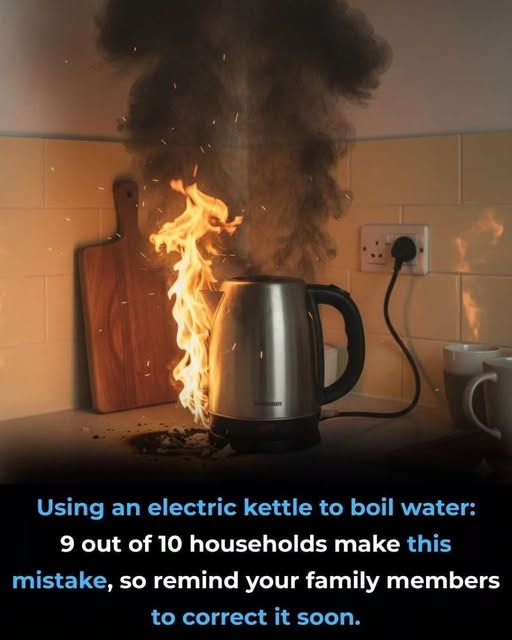
An electric kettle is one of the simplest and most convenient appliances in the kitchen. Fill it with water, switch it on, and within minutes you have boiling water for tea, coffee, cooking, or other everyday uses.
But there is one common habit that many people may not realize can be wasteful—or potentially shorten the life of their kettle: boiling far more water than they actually need.
If you are making just one cup of tea, filling the kettle to its maximum level every time means heating extra water unnecessarily. That requires more energy and takes longer than needed.
The Mistake: Filling the Kettle Too Much
Imagine you want one cup of tea but fill the kettle with enough water for four or five cups.
The kettle has to heat all of that water to boiling temperature, even though most of it will not be used immediately.
A much better habit is to measure the amount of water you actually need and put only that amount into the kettle, while still staying above the appliance’s minimum-fill line.
This small change can reduce unnecessary energy use and may make your kettle boil faster.
Why Overfilling Matters
Electric kettles are designed to heat water efficiently, but they cannot know how much water you actually need.
The more water you put inside, the more energy is required to raise its temperature.
For example, boiling one cup of water requires considerably less energy than boiling several cups. If the extra water is simply left sitting in the kettle, that energy has effectively been spent without serving a purpose.
For households that boil water several times a day, these small habits can add up.
Another Important Mistake: Leaving Water Sitting Inside
After using the kettle, some people leave the remaining water inside until the next time they need it.
Although this isn’t necessarily dangerous when the water is clean and the kettle is properly maintained, repeatedly reheating the same water is generally unnecessary.
A better routine is to pour out unused water when appropriate, allow the kettle to cool, and refill it with fresh water when you need it.
Don’t Ignore the Minimum and Maximum Lines
Your kettle’s markings are there for a reason.
Never fill it above the maximum water level, because boiling water needs room to move and bubble safely. Overfilling can cause hot water to escape through the spout or other openings.
At the same time, avoid operating the kettle below its manufacturer’s minimum-fill level, because insufficient water can cause the heating element to operate improperly or trigger the kettle’s safety mechanism.
Always follow the instructions for your particular model.
What About Limescale?
Another issue that often gets overlooked is limescale.
If you live in an area with hard water, minerals can gradually build up inside an electric kettle. You may notice a white, chalky coating around the heating element or inside the bottom of the kettle.
A thick layer of mineral deposits can affect heating efficiency and may cause the kettle to take longer to boil.
Regular descaling according to the manufacturer’s instructions can help keep the appliance working properly.
Some manufacturers recommend specific descaling products or methods, so check your kettle’s manual before using vinegar, citric acid, or another cleaning method.
Keep the Kettle Clean
A kettle may look clean from the outside while developing mineral deposits inside.
Make it a habit to inspect the interior occasionally. If you see buildup, clean it using a method recommended for your appliance.
Never immerse an electric kettle or its electrical base in water unless the manufacturer specifically says it is safe to do so.
Don’t Use the Kettle for More Than It Was Designed For
An electric kettle is primarily designed for heating water.
Avoid placing milk, soup, oils, or other liquids inside unless the manufacturer explicitly states that the model is designed for them. Such liquids can foam, spill, leave residue, or damage components.
Using the appliance as intended is one of the easiest ways to keep it functioning safely.
A Simple Habit Your Family Can Adopt
The next time someone in your household switches on the kettle, remind them of three simple rules:
1. Measure the water you actually need.
2. Never exceed the maximum-fill line.
3. Keep the kettle clean and properly maintained.
These habits take only a few seconds but can make everyday kettle use more efficient and safer.
The Bottom Line
An electric kettle is already an energy-efficient way to boil water for many everyday purposes, but how you use it still matters.
The biggest everyday mistake isn’t necessarily using an electric kettle—it is heating more water than you need.
So before pressing the switch, take a moment to measure the amount of water required. Your kettle may boil faster, you may avoid unnecessary energy use, and your appliance can stay cleaner and easier to maintain.
Sometimes, the smallest kitchen habits can make the biggest difference.