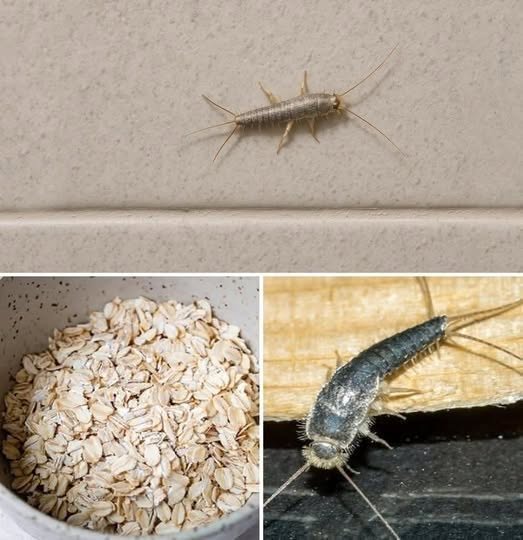
Warning! If You Find Silverfish in Your Home, It’s a Sign You Need to Check This
Finding a silverfish crawling across your bathroom floor, basement wall, or bookshelf can be unsettling. These small, silvery insects are usually harmless to people, but their presence can provide clues about conditions inside your home.
Silverfish prefer dark, damp, and relatively humid environments. So if you’re suddenly seeing them regularly, it’s worth investigating your home rather than simply squashing the insects and forgetting about them.
1. Check for Excess Moisture
One of the first things to investigate is humidity and moisture.
Look around:
- Bathrooms
- Under sinks
- Basements
- Laundry areas
- Around pipes
- Near water heaters
- Behind toilets
- Around windows
A leaking pipe, dripping faucet, condensation, or damp wall can create an environment silverfish find comfortable.
Fixing the underlying moisture problem is often more useful than simply treating the insects.
2. Look for Leaks
Check plumbing connections and areas around appliances for signs of water.
Look for:
- Damp patches
- Water stains
- Peeling paint
- Musty odors
- Mold or mildew
- Warped wood
- Persistent condensation
Even a small leak hidden beneath a sink or behind a wall can contribute to excess moisture.
3. Improve Ventilation
Poor ventilation can allow humidity to remain trapped indoors.
In bathrooms, use the exhaust fan during showers and for a while afterward. Opening windows when appropriate can also help reduce indoor moisture.
If your home consistently feels damp, consider using a dehumidifier.
4. Check Dark, Cluttered Areas
Silverfish are nocturnal and often hide during the day.
Inspect areas such as:
- Cardboard boxes
- Closets
- Storage rooms
- Bookshelves
- Under furniture
- Cracks and crevices
- Damp basements
Reducing clutter gives insects fewer places to hide.
5. Protect Books and Paper Products
Silverfish can feed on materials containing starches and carbohydrates, including certain paper products, book bindings, wallpaper adhesives, and cardboard.
If you’ve noticed silverfish near books or stored papers, keep valuable items dry and consider storing them in sealed plastic containers.
6. Seal Cracks and Entry Points
Check around baseboards, windows, doors, pipes, and other openings.
Sealing unnecessary gaps can reduce places where insects enter or hide.
However, sealing alone won’t solve the problem if your home remains excessively damp.
7. Don’t Panic—One Silverfish Doesn’t Necessarily Mean an Infestation
Seeing a single silverfish doesn’t automatically mean your house has a serious infestation or hidden structural damage.
Occasional silverfish can appear in many homes, particularly in humid conditions.
The bigger clue is repeated sightings, especially during the day or in multiple rooms.
When Should You Be More Concerned?
Pay closer attention if you regularly find silverfish or notice other signs of a moisture problem, such as mold, musty odors, water stains, or damaged materials.
In that situation, focus first on identifying and correcting the environmental conditions that may be attracting them.
The Bottom Line
If you find silverfish in your home, don’t immediately assume something is seriously wrong. Instead, take it as a reminder to check humidity, leaks, ventilation, clutter, and damp hiding places.
In many cases, making the home drier, cleaner, and less hospitable to silverfish can go a long way toward reducing sightings.