Moving into a new rental can come with plenty of surprises. You clean the floors, wipe the cabinets, check the closets—and then you notice something strange that wasn’t there before.
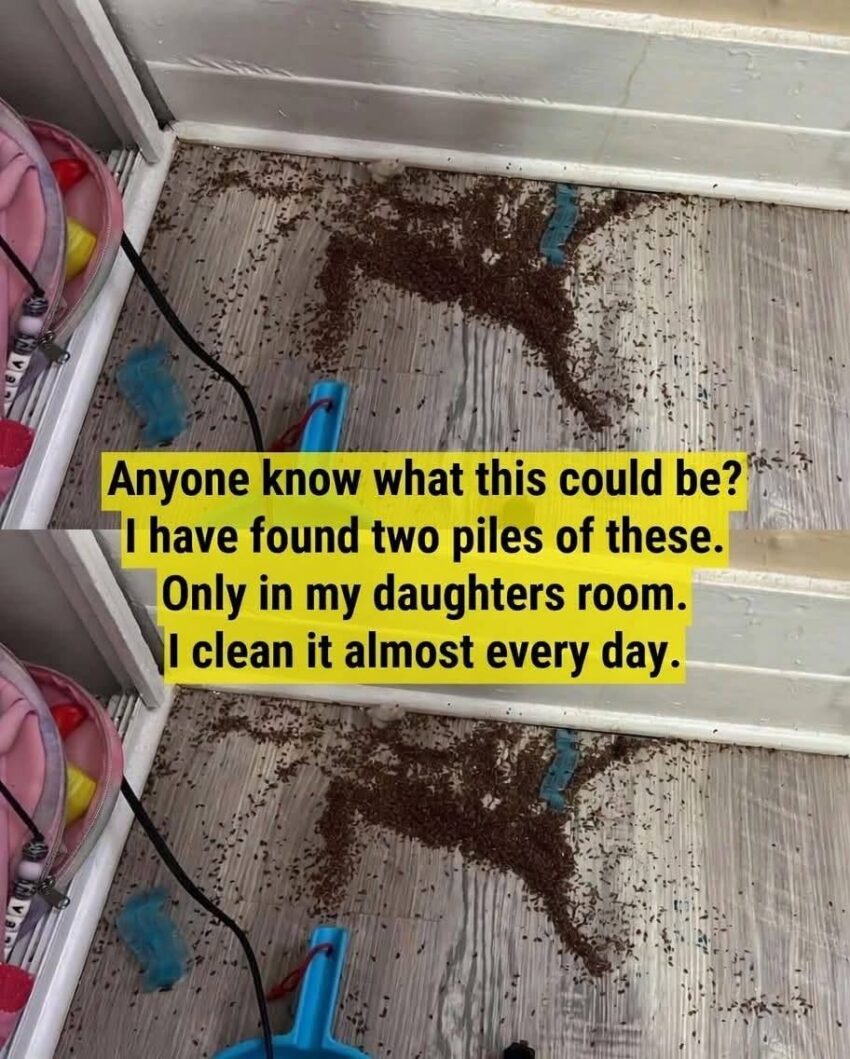
For one family, the discovery became especially concerning because two small piles of an unknown material were found in their daughter’s bedroom.
Before assuming the worst, it’s important to remember that small piles or scattered material can have many explanations. Some are completely harmless, while others may point to insects, rodents, deteriorating building materials, or something left behind by previous occupants.
What Could Those Little Piles Be?
Without seeing the material closely, nobody can identify it with certainty. The appearance, location, texture, and surrounding evidence all matter.
Here are some common possibilities.
1. Insect Droppings
Small dark pellets can sometimes be associated with insects such as cockroaches. They may appear in corners, inside cabinets, along walls, or in areas where insects hide.
If you notice additional evidence such as insects, shed skins, unpleasant odors, or more droppings, the room may need a professional pest inspection.
2. Rodent Droppings
Rodent droppings can resemble small dark pellets and may be found near walls, furniture, closets, or food sources.
Look for other clues, including scratching sounds, gnaw marks, nesting material, unusual odors, or additional droppings.
If rodents are suspected, avoid handling droppings with bare hands.
3. Termite or Other Pest Debris
Some wood-destroying insects can leave behind small piles of material near wooden structures. Tiny piles appearing repeatedly beneath wood, windowsills, or other structural areas deserve attention.
4. Dirt or Construction Debris
Because you have just moved into a rental, the material could also be something left behind from cleaning, repairs, painting, flooring work, or previous occupants.
A small pile of ordinary debris doesn’t automatically mean there is an infestation.
Why the Location Matters
Finding something twice in the same bedroom is worth investigating, especially if the piles keep returning after you’ve cleaned the area.
Take note of exactly where you found them:
- Near a window
- Under the bed
- Inside a closet
- Along the baseboard
- Near a vent
- Beside wooden furniture
- Around a crack or hole
- Near plumbing
- Under or behind furniture
The location can provide important clues about where the material is coming from.
Don’t Touch It With Your Bare Hands
If you don’t know what the material is, it’s better to avoid touching, sweeping, or vacuuming it immediately.
Instead, take a clear photograph and, if practical, use disposable gloves and appropriate precautions when collecting or cleaning unknown material.
If you suspect rodent or pest droppings, avoid stirring up dust from them.
Check the Rest of the Room
Before assuming that the piles are dangerous, do a careful visual inspection.
Look around:
Baseboards: Check for gaps, cracks, droppings, insects, or small holes.
Closets: Inspect dark corners and the floor underneath stored items.
Windows: Look for gaps around the frame or signs of insects.
Furniture: Check behind and underneath furniture.
Vents: Look around vents for debris or signs of activity, but don’t dismantle ventilation equipment yourself.
Walls and ceilings: Look for moisture stains, holes, peeling materials, or fresh repairs.
Take Photos Before Cleaning
This simple step can be surprisingly useful.
Take a close-up photograph of the material along with another photo showing exactly where you found it. If another pile appears later, photograph that one too.
You can then show the pictures to your landlord, property manager, pest-control professional, or another appropriate expert.
If possible, keep a note of the date and location of each discovery.
Since It’s a Rental, Tell the Landlord
You don’t necessarily need to panic or immediately assume the house has a serious infestation.
However, because you have recently moved in, it’s reasonable to notify the landlord or property manager—particularly if the material appears again after cleaning.
A professional can determine whether there is evidence of pests, moisture, damaged materials, or another property-related issue.
What If You Have a Young Child?
If the material is in your child’s room, take extra precautions until you know what it is.
Keep your child away from the area and don’t allow her to touch or put the material in her mouth.
Also check toys, bedding, clothing, and floor-level storage for anything that may have been contaminated.
If your child has already touched or swallowed an unknown substance, contact a healthcare professional or local poison-information service for advice rather than trying to make her vomit.
The Biggest Clue: Does It Come Back?
One of the most useful things you can observe is whether the piles reappear after being removed.
If you carefully clean the area and another identical pile appears in the same location, that suggests the material may have an ongoing source.
At that point, documenting the location and getting a professional inspection is much more useful than repeatedly cleaning it without finding the cause.
Don’t Jump to the Worst Conclusion
Finding something unusual in a newly rented home can be unsettling—especially when it is in your child’s bedroom.
But a couple of small piles aren’t enough to identify the source.
The safest approach is simple:
Photograph it → don’t touch it unnecessarily → inspect the surrounding area → keep your child away → notify the landlord → arrange an inspection if it returns or other signs appear.
Sometimes the explanation is completely ordinary. Other times, finding the problem early can prevent a much bigger pest or property issue later.