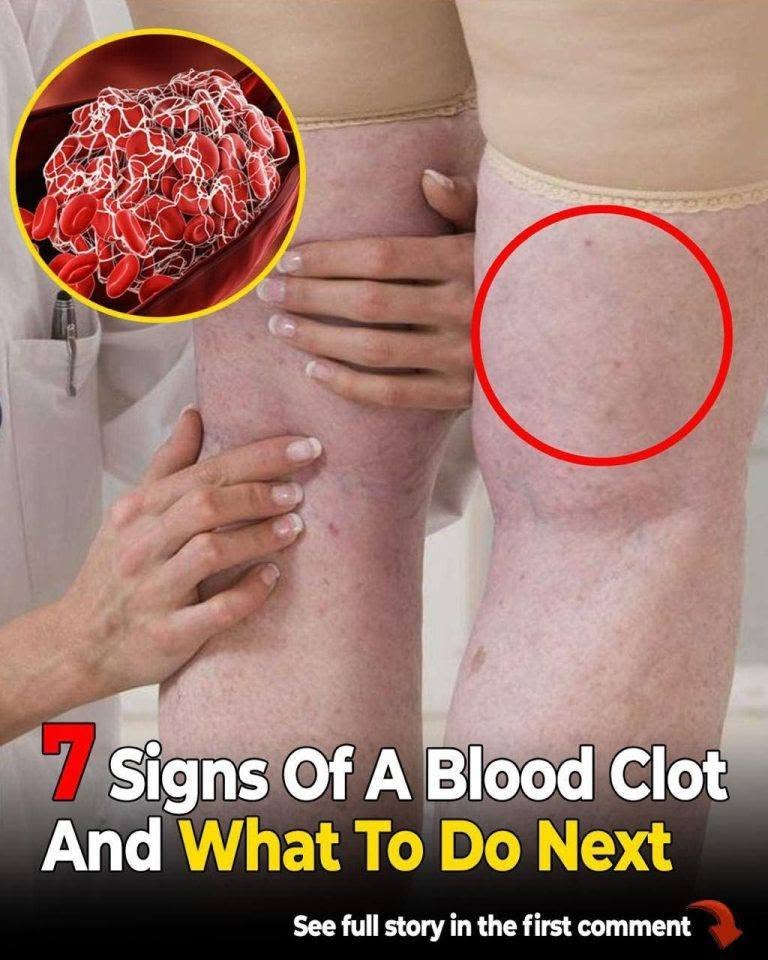
A blood clot can develop when blood changes from a liquid into a thicker, gel-like mass. Clotting is a normal and important process when you have an injury, because it helps stop bleeding. But a clot that forms inside a blood vessel when it is not needed can become dangerous.
One of the most common types is a deep vein thrombosis (DVT), which usually develops in a deep vein of the leg. A clot can also travel to the lungs, causing a pulmonary embolism (PE), which requires urgent medical attention.
The tricky part is that a blood clot does not always cause obvious symptoms. When symptoms do occur, knowing what to look for can help you seek medical care sooner.
What Does a Blood Clot in the Leg Feel Like?
A DVT commonly occurs in one leg rather than both.
Possible signs include:
- Swelling in one leg
- Pain or tenderness, especially in the calf
- Warmth in the affected area
- Skin that looks red, darker, or discolored
- A feeling of tightness or heaviness in the leg
The discomfort may feel like an ache, cramp, soreness, or tenderness. Some people notice the pain more when standing or walking.
However, these symptoms can also occur with muscle injuries and other conditions, so symptoms alone cannot confirm that a clot is present.
One-Sided Swelling Is Worth Paying Attention To
Swelling caused by a DVT often affects one leg.
You may notice that one calf or ankle looks larger than the other. The skin may also feel warmer than usual.
This does not automatically mean you have a blood clot, but unexplained one-sided swelling—particularly when accompanied by pain or warmth—deserves medical evaluation.
The Area May Feel Warm or Tender
A clot can cause inflammation around the affected vein.
As a result, part of the leg may feel warmer than the surrounding skin. Touching the area may also cause tenderness.
Again, these signs are not specific enough to diagnose DVT on their own.
What Does a Blood Clot in the Lung Feel Like?
A blood clot that travels to the lungs is called a pulmonary embolism.
The symptoms can appear suddenly and may include:
- Sudden shortness of breath
- Chest pain, particularly pain that becomes worse with deep breathing
- Rapid or irregular heartbeat
- Coughing
- Coughing up blood
- Lightheadedness or fainting
- Sudden weakness or a feeling that something is seriously wrong
A pulmonary embolism can be life-threatening.
Sudden difficulty breathing, severe or unexplained chest pain, coughing up blood, fainting, or severe dizziness requires emergency medical attention.
Can a Blood Clot Feel Like a Muscle Cramp?
It can.
This is one reason blood clots can sometimes be difficult to recognize.
A DVT may cause aching, cramping, or soreness in the calf. Because similar discomfort can happen after exercise or a minor injury, it is not possible to determine the cause based on the feeling alone.
Pay particular attention when pain occurs together with unexplained swelling, warmth, or discoloration—especially in only one leg.
Can You Have a Blood Clot Without Symptoms?
Yes.
Some DVTs cause few or no noticeable symptoms. A person may not realize there is a clot until it is discovered during medical testing or until complications develop.
This is one reason risk factors are important.
Who Has a Higher Risk of Blood Clots?
The risk of developing a DVT or PE can increase in several situations, including:
- Recent major surgery
- Prolonged bed rest or limited movement
- Long periods of sitting or travel
- Previous blood clots
- Certain cancers and cancer treatments
- Some inherited or acquired blood-clotting disorders
- Pregnancy and the period after giving birth
- Certain hormone-containing medications
- Serious illness or hospitalization
- Obesity
- Smoking
Having a risk factor does not mean that a person definitely has a blood clot. It simply means medical professionals may consider the possibility more carefully when symptoms appear.
When Should You Seek Emergency Help?
Some symptoms should never be ignored.
Seek emergency medical care if you develop sudden shortness of breath, unexplained chest pain, coughing up blood, fainting, or severe difficulty breathing, particularly if you have symptoms that could suggest a DVT.
Do not attempt to diagnose or treat a suspected pulmonary embolism at home.
How Do Doctors Check for a Blood Clot?
Doctors use a person’s symptoms, medical history, risk factors, and physical examination to determine whether testing is needed.
For suspected DVT, an ultrasound of the veins is commonly used to look for a clot.
Depending on the situation, doctors may also use blood tests such as a D-dimer test. For suspected pulmonary embolism, additional imaging—such as CT pulmonary angiography—may be required.
The appropriate test depends on the person’s symptoms and overall risk.
Can a Blood Clot Be Treated?
Yes. Blood clots can often be treated effectively when identified.
Treatment may include anticoagulant medicines, commonly called blood thinners. These medicines reduce the blood’s ability to form new clots and prevent an existing clot from growing while the body gradually breaks it down.
More serious cases may require other treatments.
Treatment should always be determined by a healthcare professional because blood thinners can increase the risk of bleeding and are not appropriate for everyone.
Don’t Ignore Sudden Changes
A blood clot does not always announce itself with dramatic symptoms. A new combination of one-sided leg swelling, pain, warmth, or discoloration deserves attention, especially when a person has known risk factors.
More importantly, symptoms such as sudden shortness of breath, chest pain, coughing up blood, fainting, or severe breathing difficulty can indicate a pulmonary embolism and require emergency evaluation.
The safest approach is not to try to identify a clot based on symptoms alone. If the symptoms are new, unexplained, or severe, getting medical assessment is far more reliable than waiting to see whether they disappear.