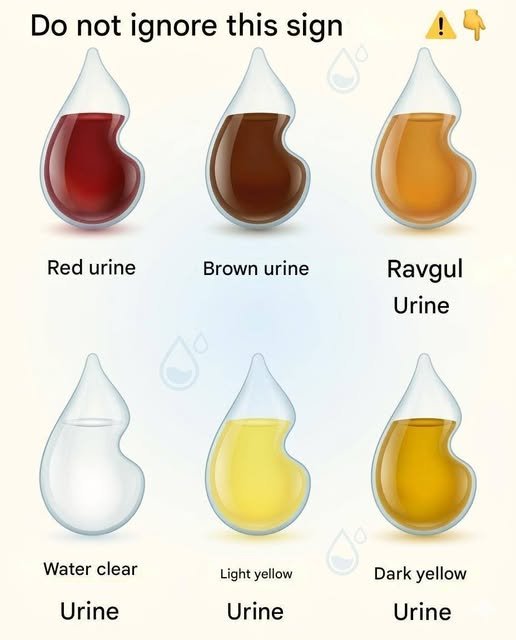
What does the color of your urine say about your health? Learn what clear, pale yellow, dark yellow, cloudy, pink, red, brown, and other urine colors may indicate and when to seek medical advice.
What Does the Color of Your Urine Say About Your Health?
Have you ever looked in the toilet and wondered whether your urine color is normal? Urine naturally ranges from nearly clear to pale or dark yellow, and its color can change throughout the day depending on how much fluid you drink, what you eat, and certain medications or supplements you take.
Most changes are harmless and temporary. However, unusual urine colors—especially when they persist or occur alongside pain, fever, blood, or other symptoms—can sometimes be a reason to contact a healthcare professional.
Here is what different urine colors may mean.
Clear or Almost Colorless Urine
Completely clear urine often means you have consumed a significant amount of fluid. Drinking plenty of water is important, but constantly forcing yourself to drink excessive amounts is unnecessary and can be harmful.
If your urine is consistently completely clear and you are unusually thirsty or urinating very frequently, mention it to your healthcare professional.
Pale Yellow Urine
Pale yellow is generally considered a typical urine color. It usually indicates that you are adequately hydrated.
Urine gets its yellow color from a pigment called urochrome, which is produced as the body breaks down certain substances.
Dark Yellow or Amber Urine
Dark yellow urine can occur when you have not consumed enough fluids. Your kidneys conserve water, making the urine more concentrated.
After drinking an appropriate amount of fluid, the color will often become lighter.
However, persistent dark urine—particularly when accompanied by other symptoms—should not automatically be blamed on dehydration.
Orange Urine
Orange-colored urine can sometimes be associated with dehydration, certain medications, or particular foods.
In some situations, orange or very dark urine can be associated with problems involving the liver or bile ducts, particularly if it occurs alongside yellowing of the skin or eyes.
If the color persists without an obvious explanation, seek medical advice.
Pink or Red Urine
Pink, red, or reddish-brown urine can sometimes indicate blood in the urine. Possible causes include urinary tract infections, kidney stones, certain kidney conditions, and other problems that require medical evaluation.
However, not every red-looking urine sample contains blood. Certain foods, including beets, can temporarily change urine color.
If your urine appears red or contains visible blood and you cannot clearly explain the change by something you recently ate or took, contact a healthcare professional.
Brown Urine
Brown or cola-colored urine can occur with severe dehydration, certain medications, or some medical conditions.
It can also occur when muscle tissue breaks down or when there are problems involving the liver or kidneys.
Brown urine that persists, especially when accompanied by weakness, muscle pain, yellow skin or eyes, or reduced urination, should be evaluated promptly.
Blue or Green Urine
Blue or green urine is uncommon but can occur because of certain medications, dyes used in medical procedures, or some infections.
Food coloring and other substances can also affect urine color.
If you notice an unusual blue or green color without an obvious explanation, speak with a healthcare professional.
Cloudy or Milky Urine
Cloudy urine can have several possible causes. Dehydration, urinary tract infections, crystals, or other substances in the urine may contribute to the appearance.
If cloudy urine occurs with burning during urination, an urgent need to urinate, lower abdominal discomfort, fever, or a strong unusual odor, a urinary tract infection may be possible and medical advice is recommended.
What About Strong-Smelling Urine?
Urine odor can change because of dehydration, certain foods, vitamins, and medications. For example, some foods can give urine a noticeably stronger smell.
A persistent unusual odor accompanied by urinary symptoms may warrant medical evaluation.
When Should You Be Concerned?
Urine color alone usually cannot diagnose a health condition. However, you should seek medical advice if you experience:
- Visible blood in your urine
- Persistent red, brown, or unusually dark urine
- Pain or burning while urinating
- Fever or chills
- Severe back or side pain
- Yellowing of the skin or eyes
- Significant changes in how often you urinate
- Very little or no urine despite needing to urinate
Sudden severe pain, significant bleeding, or feeling seriously unwell requires prompt medical attention.
Final Thoughts
Urine color can provide useful clues about hydration and sometimes other health issues, but it should not be used as a diagnosis on its own. Pale yellow urine is commonly normal, while darker urine can simply mean that your urine is more concentrated.
If an unusual color persists or appears together with pain, blood, fever, or other concerning symptoms, it is best to have the cause checked by a healthcare professional.
Meta Keywords: urine color meaning, urine color and health, dark urine, red urine, cloudy urine, urine hydration, healthy urine color, urine health signs