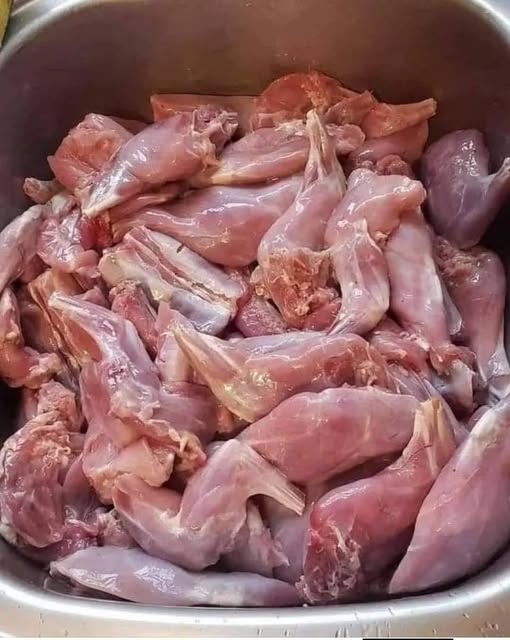
Discover what type of meat this delicate, unusual cut might be, why its texture surprises people, how it is prepared, and what makes it different from ordinary cuts.
Sometimes a piece of meat can look so unusual that the first question people ask is, “What kind of meat is this?” Its pale color, soft texture, or unfamiliar shape can make it difficult to identify at a glance.
In many cases, the answer depends on the specific cut, animal, and preparation method. Some meats that appear delicate may actually be familiar cuts prepared differently, while others can come from less commonly used parts of an animal.
Why Does This Meat Look So Different?
Several factors can make meat appear surprisingly delicate:
- The cut of meat: Tender cuts contain less connective tissue and can have a very soft appearance.
- The animal: Beef, lamb, goat, pork, poultry, and other meats naturally differ in color and texture.
- Cooking method: Slow cooking, steaming, poaching, or braising can dramatically change the appearance and texture.
- Fat content: Marbling and surrounding fat can make a cut look very different from lean meat.
- Freshness and processing: Meat that has been trimmed, cleaned, or prepared professionally may look unlike the original cut.
The Texture Can Be the Biggest Clue
One of the most noticeable characteristics of delicate meat is its texture. Tender meat usually requires less chewing and may have a smooth, almost buttery consistency when cooked correctly.
However, texture alone isn’t enough to identify the animal or cut. Two completely different types of meat can have similar textures after cooking.
Why Are Some Cuts Considered Delicacies?
Certain parts of an animal have traditionally been considered special foods in different cultures. Their popularity can come from their tenderness, rarity, flavor, or traditional preparation rather than their appearance.
For example, organ meats and specialty cuts can look unfamiliar to people who are accustomed only to standard steaks, chops, or fillets.
How Is Delicate Meat Usually Prepared?
The best cooking method depends on the exact cut. Tender cuts are often cooked relatively quickly so they don’t become dry, while tougher cuts generally benefit from longer cooking at lower temperatures.
Common preparation methods include:
- Pan-searing for naturally tender cuts.
- Grilling when the meat can withstand high heat.
- Braising for cuts containing more connective tissue.
- Slow cooking to develop tenderness and flavor.
- Roasting for larger portions.
Seasoning is often kept relatively simple when the meat has a distinctive natural flavor.
Can You Identify It From a Picture?
A photograph can provide clues such as color, shape, fat distribution, texture, and the presence of bone or connective tissue, but visual identification isn’t always reliable.
If you have a photo of the meat you’re referring to, send it here. I can examine the visible characteristics and tell you what cut or type of meat it most closely resembles, along with how it is commonly prepared.