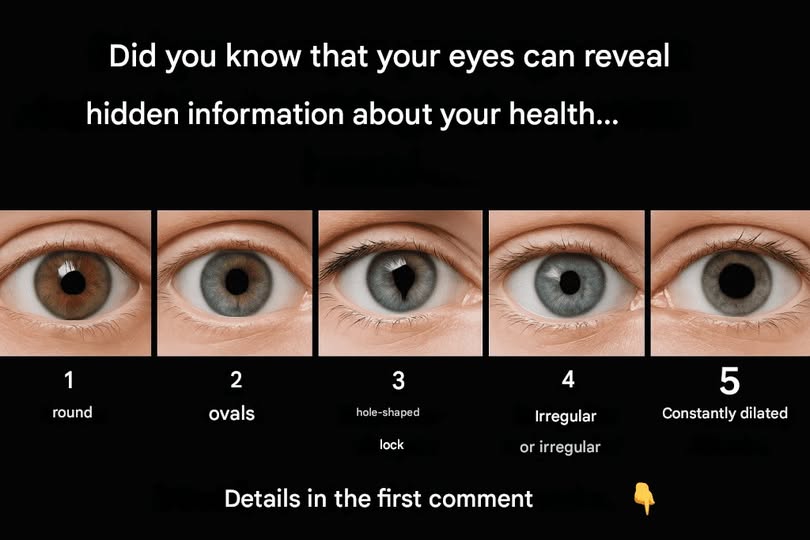
Can pupil shape reveal health problems? Learn what normal pupils look like, why they can sometimes become irregular, and which changes require prompt medical attention.
Your pupils are the dark openings in the center of your eyes that control how much light enters. Most people have round pupils, and their size changes automatically in response to light.
But sometimes the shape, size, or reaction of a pupil changes. While some differences are harmless, certain pupil abnormalities can provide important clues about problems involving the eye, nerves, brain, or medications.
What Does a Normal Pupil Look Like?
A healthy pupil is generally round or nearly round and located in the center of the iris.
Both pupils usually respond similarly to changes in light. In bright surroundings, they become smaller. In darkness, they become larger.
It is also normal for pupil size to vary depending on:
- Lighting
- Emotional stimulation
- Medications
- Age
- Whether you’re focusing on something near or far
Small differences between the two pupils can occur naturally in some people.
What If a Pupil Isn’t Round?
An irregularly shaped pupil can have several possible causes.
Sometimes the shape has been present since birth or is related to the structure of the iris. In other situations, an irregular pupil can occur after an eye injury or surgery.
Certain eye conditions can also distort the pupil.
An unusual pupil shape doesn’t automatically mean that something is seriously wrong, but a new change should not be ignored.
A Key Warning Sign: One Pupil Suddenly Looks Different
A sudden change in pupil size or shape is more concerning than a long-standing difference.
If one pupil suddenly becomes much larger or smaller than the other, particularly when accompanied by other symptoms, urgent medical assessment may be necessary.
Warning symptoms can include:
- Severe headache
- Sudden vision changes
- Double vision
- Eye pain
- Drooping eyelid
- Confusion
- Weakness or numbness
- Difficulty speaking
- Loss of coordination
- Severe dizziness
Sudden pupil abnormalities together with neurological symptoms can sometimes indicate an emergency such as a stroke or another problem affecting the nervous system.
What Can Pupil Size Tell You?
Pupil size can be affected by many things.
Medications
Some prescription and recreational drugs can enlarge or constrict the pupils. Certain eye drops can also produce noticeable changes.
Eye Problems
Conditions affecting the iris or other parts of the eye can change the appearance or reaction of the pupil.
Nerve Problems
The nerves controlling the pupil are connected to the brain and several structures around the eye. Problems affecting these pathways can sometimes produce unequal pupils or abnormal reactions to light.
Head or Eye Injury
Trauma can damage the iris or the nerves responsible for controlling pupil movement.
What Is Anisocoria?
Anisocoria means that the pupils are different sizes.
A small difference can be completely harmless and may have been present for years. In some people, it is simply a normal variation.
However, newly developed anisocoria can have a number of causes, including eye problems, medications, trauma, or neurological conditions.
The important question is not simply whether the pupils are different sizes—it is whether the difference is new and whether other symptoms are present.
Can Pupils Reveal Brain Problems?
Yes, pupil examination is an important part of a neurological and eye examination.
Healthcare professionals may shine a light into each eye to assess:
- Pupil size
- Pupil symmetry
- Reaction to light
- Reaction when focusing on nearby objects
- Changes between light and dark environments
Abnormal findings can provide clues about problems affecting the eye, optic pathways, or nervous system.
However, pupil appearance alone cannot diagnose a particular disease.
Don’t Diagnose Yourself From a Photograph
Online images can make pupil differences appear more dramatic than they really are because of lighting, camera exposure, angle, and image quality.
If you notice a change in your own pupils, comparing photographs isn’t enough to determine whether something is wrong.
An eye-care professional can perform a proper examination and determine whether the finding is normal or requires further investigation.
When Should You Seek Urgent Help?
Get urgent medical attention if you develop a sudden change in pupil size or shape, especially if it occurs with severe headache, eye pain, sudden vision loss, double vision, drooping eyelid, confusion, weakness, numbness, or difficulty speaking.
A new abnormal pupil after a significant head or eye injury also deserves prompt assessment.
The Bottom Line
The shape and behavior of your pupils can provide useful information about your eye and nervous-system health, but there isn’t a simple “pupil shape chart” that can diagnose disease.
Round, symmetrical pupils that respond normally to light are typical. An irregular pupil can have harmless explanations, but a new or sudden change—particularly when accompanied by neurological or visual symptoms—should be evaluated promptly.
Your pupils can offer clues, but only a proper medical examination can determine what those clues actually mean.