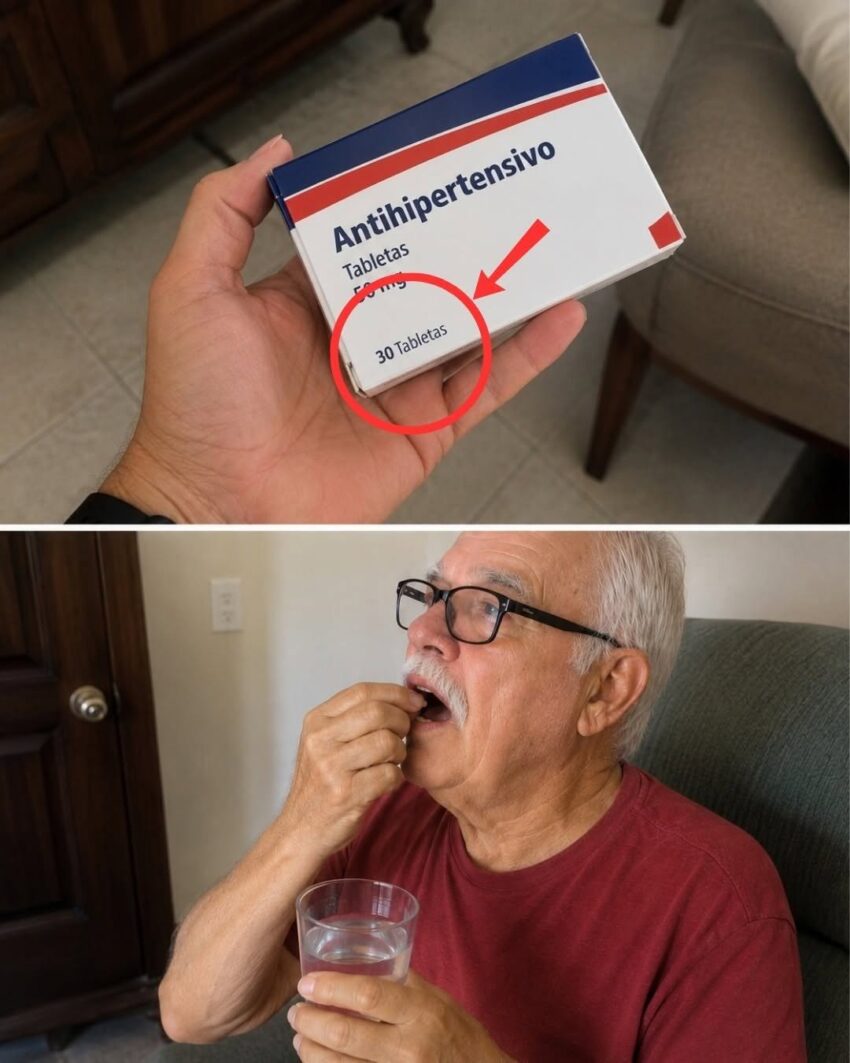
The timing of blood pressure medication can affect how well it controls your blood pressure throughout the day. Learn why timing matters, when different medicines may peak, and what to ask your doctor before changing your schedule.
Blood pressure medicine is often discussed in terms of which pill you take and what dose you need. But there is another factor that can matter: when the medicine reaches its strongest effect.
Your blood pressure naturally changes throughout the day. It often rises after waking, responds to activity and stress, and may fall during sleep. Some people also experience an abnormal nighttime pattern in which blood pressure remains elevated instead of dropping as expected.
Because of these daily fluctuations, the timing of certain blood pressure medicines may influence whether their effect provides adequate coverage when you need it most.
However, that does not mean everyone should automatically take their medication at bedtime or in the morning. The best schedule depends on the specific medicine, your blood-pressure pattern, other medications, side effects, kidney function, and your doctor’s instructions.
Why Blood Pressure Changes During the Day
Blood pressure isn’t a fixed number. It changes in response to:
- Physical activity
- Stress and emotions
- Caffeine
- Meals
- Sleep
- Hormonal changes
- Pain
- Other medications
Many people experience a rise in blood pressure around waking, sometimes called the morning surge. Blood pressure usually decreases during sleep, although this doesn’t happen normally in everyone.
For someone whose blood pressure is poorly controlled during a particular part of the day, medication coverage during that period can be especially important.
What Does “Peak” Mean?
When you take a medication, it is absorbed and distributed through the body. Depending on the drug, its concentration or blood-pressure-lowering effect may reach a higher point at a particular time.
This is sometimes described as the medication’s peak effect.
But an important distinction is that a medicine’s blood concentration peak and its maximum blood-pressure-lowering effect are not necessarily identical.
Some blood-pressure medications work for many hours, providing relatively sustained control rather than producing one obvious “peak.”
That is why medication timing cannot be determined simply by looking at when a tablet reaches its highest concentration.
Morning vs. Night: Which Is Better?
There is no universal answer.
For some people, taking medication in the morning may make sense because it fits their routine and provides convenient daytime coverage. For others, a medication may be prescribed at another time based on its duration of action, side effects, or the person’s blood-pressure pattern.
Research into bedtime dosing has produced interesting findings, but it should not be interpreted as proof that everyone with hypertension should take medication at night.
Large studies and professional guidance have emphasized individualized treatment rather than automatically moving all blood-pressure medicines to bedtime.
Why Taking It at the Right Time Can Matter
The goal isn’t simply to make the blood-pressure number lower at one particular moment.
The goal is generally to maintain safe and consistent blood-pressure control over the entire period covered by the medication.
For example, if someone regularly has high readings late in the afternoon, their clinician may consider whether the medication’s duration or dosing schedule provides adequate coverage.
On the other hand, taking certain medicines too close to bedtime could contribute to problems such as nighttime urination, dizziness, or excessively low blood pressure in some people.
Don’t Change Your Schedule on Your Own
This is especially important.
If your blood pressure medicine is currently prescribed for the morning, don’t move it to bedtime simply because you read that nighttime dosing may be beneficial.
Different medications behave differently. Some are long-acting, some are short-acting, and some combinations are designed to be taken at particular times.
Diuretics, for example, can increase urination. Taking one immediately before bed may be inconvenient and could interfere with sleep.
Other medicines may cause dizziness or lower blood pressure more than expected when combined with other drugs.
Your Blood Pressure Pattern Can Provide Clues
If your doctor is trying to determine whether your treatment is working throughout the day, keeping a home blood-pressure log can be useful.
Depending on your clinician’s instructions, measurements might be taken at consistent times such as:
- In the morning
- Before medication, if your doctor recommends it
- Several hours after medication
- In the evening
- When you experience symptoms such as dizziness or weakness
Don’t repeatedly check your blood pressure every few minutes. Instead, follow a consistent measurement plan so your doctor can identify meaningful patterns.
Proper Technique Matters Too
A misleading blood-pressure reading can make medication timing appear to be the problem when it isn’t.
Before measuring:
- Sit quietly for about five minutes.
- Keep your back supported.
- Place both feet flat on the floor.
- Rest your arm at heart level.
- Use a properly fitting upper-arm cuff.
- Avoid talking during the measurement.
- Take readings under similar conditions when possible.
If your readings seem unexpectedly high or low, repeat the measurement after resting rather than immediately changing your medication.
What If You Feel Dizzy After Taking Your Pill?
Dizziness, weakness, faintness, or unusual lightheadedness can sometimes occur when blood pressure becomes too low, although there are many other possible causes.
If symptoms repeatedly occur after your medication, tell your healthcare professional. They may want to review:
- Your medication dose
- The timing of the dose
- Other medicines you’re taking
- Your blood-pressure readings
- Hydration
- Kidney function
- Your overall cardiovascular health
Never stop a prescribed blood-pressure medicine abruptly unless a healthcare professional specifically tells you to do so.
When to Seek Urgent Help
A single high reading does not automatically mean you are having a medical emergency.
However, very high blood pressure accompanied by symptoms such as chest pain, severe shortness of breath, severe headache, confusion, weakness or numbness, vision changes, or difficulty speaking requires urgent medical evaluation.
If you obtain an unusually high reading, sit quietly and repeat it using proper technique. If it remains extremely high or you have concerning symptoms, seek urgent medical care.
The Bigger Picture
Blood-pressure treatment is not simply about finding a pill and taking it at a particular hour.
The most effective plan considers the specific medication, dose, duration of action, your daily blood-pressure pattern, other health conditions, and side effects.
For some people, timing can make a meaningful difference. For others, consistency and adherence may be much more important than whether the medication is taken at 8 a.m. or 8 p.m.
The safest approach is to take your medication exactly as prescribed and discuss any timing changes with your doctor or pharmacist.
Bottom Line
The clock can matter—but the right time depends on the medicine and the person. Instead of automatically switching your blood-pressure pill to morning or bedtime, track your readings, take the medication consistently, and ask your healthcare professional whether your current schedule provides adequate 24-hour coverage.
A well-timed medication schedule should be personalized, practical, and safe, rather than based on a one-size-fits-all rule.