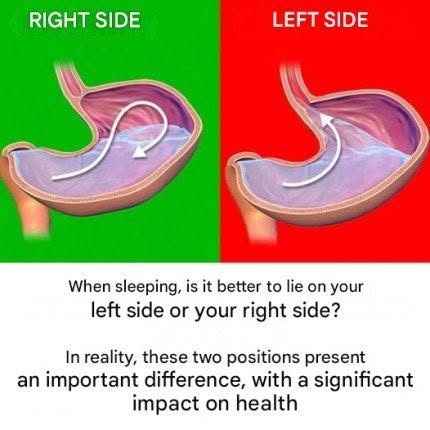
Discover whether sleeping on your left or right side is better, how each position may affect digestion, breathing, heartburn, and comfort, and how to choose the right position for you.
Which Side Is Better to Sleep On?
If you naturally sleep on your side, you may have wondered whether sleeping on the left side or right side is healthier.
There isn’t one perfect sleeping position for everyone. Your best position can depend on your health, comfort, pregnancy status, breathing, and whether you experience problems such as acid reflux or shoulder pain.
For many people, however, side sleeping can be a comfortable and healthy position, especially when the neck and spine are properly supported.
Is Sleeping on the Left Side Better?
For people who experience acid reflux or heartburn, sleeping on the left side is often recommended.
The position of the stomach and esophagus means that lying on the left side may reduce the likelihood of stomach contents flowing back toward the esophagus.
If you regularly experience nighttime heartburn, trying your left side may be worthwhile.
What About Sleeping on the Right Side?
Sleeping on the right side isn’t necessarily bad.
Many people find it comfortable, and for someone without a particular medical reason to favor the left side, the right side can be perfectly reasonable.
In fact, comfort matters. If sleeping on your right side allows you to sleep longer and more comfortably, there may be little reason to force yourself into another position.
What If You Have Heartburn?
This is one situation where your sleeping position can make a noticeable difference.
If nighttime reflux is a problem:
- Try sleeping on your left side.
- Avoid lying down immediately after a large meal.
- Consider elevating the upper portion of your body if recommended.
- Identify foods and drinks that trigger your symptoms.
Persistent or severe heartburn should be discussed with a healthcare professional, particularly if you have difficulty swallowing, unexplained weight loss, vomiting, or chest pain.
Side Sleeping and Your Spine
Side sleeping can be beneficial when your body is properly aligned.
A pillow that keeps your head and neck in a neutral position can prevent your head from tilting too far upward or downward.
You can also place a pillow between your knees. This can help keep your hips and pelvis more comfortably aligned.
The goal is to keep your spine relatively straight rather than twisted throughout the night.
What If Your Shoulder Hurts?
If you have shoulder discomfort, sleeping directly on the painful shoulder may make it worse.
Try sleeping on the opposite side and supporting the upper arm with a pillow.
If shoulder pain persists or is severe, it is better to determine the underlying cause rather than simply changing your sleeping position.
Is Side Sleeping Good for Breathing?
For some people, sleeping on the side may be preferable to sleeping flat on the back, particularly if they snore or have certain breathing-related sleep problems.
However, persistent loud snoring, gasping during sleep, witnessed pauses in breathing, or excessive daytime sleepiness can be signs of sleep apnea and deserve medical evaluation.
What About Pregnancy?
During pregnancy, especially later pregnancy, side sleeping is generally encouraged rather than spending prolonged periods lying flat on the back.
Many pregnant people find the left side comfortable, but either side may be used depending on comfort and individual medical advice.
A pregnancy pillow placed between the knees or supporting the abdomen can make side sleeping easier.
If you are pregnant and have questions about the safest sleeping position for your particular situation, follow your obstetrician or midwife’s advice.
So, Which Side Is Best?
For most healthy adults, there isn’t a universal winner.
Left-side sleeping may be particularly useful for people troubled by nighttime acid reflux. Right-side sleeping can also be completely comfortable and appropriate for many people.
Ultimately, the best position is the one that allows you to sleep comfortably while keeping your body well supported.
Final Takeaway
Don’t worry if you naturally turn from one side to the other during the night. You don’t need to remain perfectly still in one position.
Focus on getting enough quality sleep, maintaining comfortable spinal alignment, and adjusting your position if a particular posture causes pain, reflux, or breathing problems.
If a sleeping position consistently causes pain, numbness, shortness of breath, or other concerning symptoms, speak with a healthcare professional rather than simply changing pillows or sleeping sides.