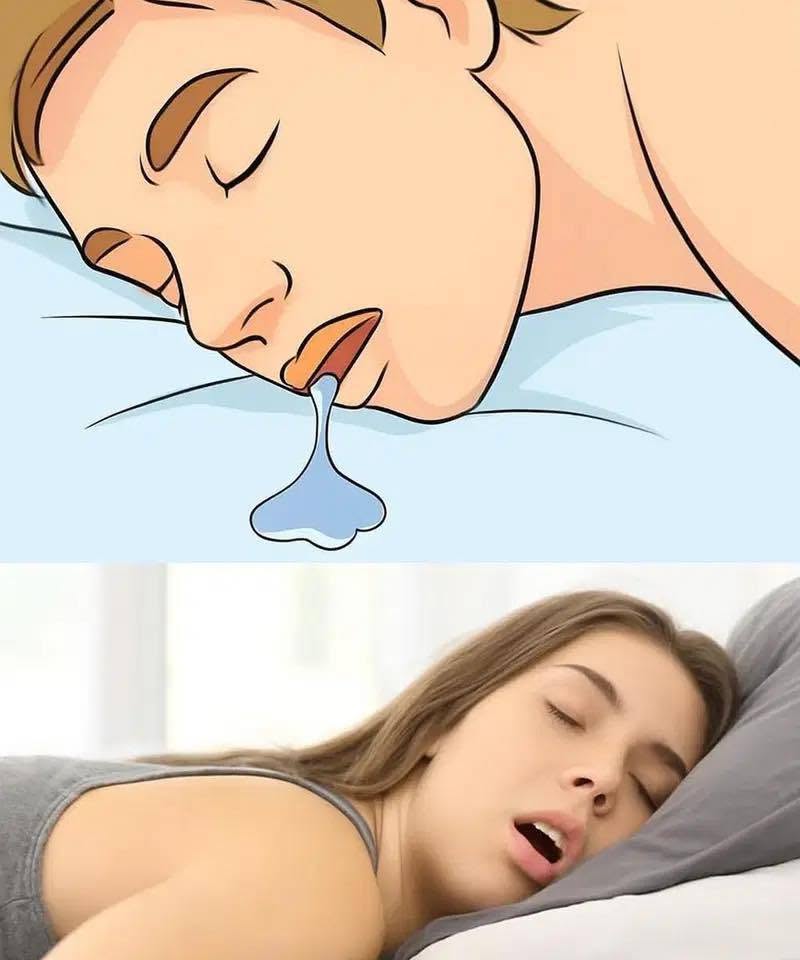
Why do you drool while sleeping? Learn the common causes of nighttime drooling, including sleeping position, nasal congestion, mouth breathing, reflux, medications, and sleep disorders, plus simple remedies and warning signs.
Drooling while sleeping is very common and, in many cases, isn’t a cause for concern. During sleep, your swallowing reflex naturally becomes less active, and saliva can collect in your mouth. If your mouth is open or you’re sleeping on your side or stomach, saliva may eventually escape. However, frequent or excessive drooling can sometimes point to an underlying issue, particularly when it occurs together with snoring, choking, difficulty swallowing, or daytime symptoms.
What Causes Drooling During Sleep?
1. Sleeping Position
Your sleeping position can have a major effect.
When you sleep on your side or stomach, gravity can allow saliva to flow out of your mouth more easily. Sleeping on your back may reduce this for some people because saliva is more likely to remain in the mouth and be swallowed.
That doesn’t mean you need to force yourself to sleep on your back, especially if another sleeping position is more comfortable.
2. Mouth Breathing
If you breathe through your mouth during sleep, your lips may remain open, making it easier for saliva to escape.
Mouth breathing can happen because of:
- A blocked nose
- Allergies
- A cold
- Nasal congestion
- A deviated nasal septum
- Enlarged tissues in the nose or throat
If you regularly wake up with a dry mouth as well as a wet pillow, nighttime mouth breathing may be contributing to the problem.
3. Snoring and Sleep Apnea
Heavy snoring and obstructive sleep apnea can promote mouth breathing and nighttime drooling.
Sleep apnea occurs when the upper airway repeatedly becomes blocked during sleep. Possible clues include:
- Loud, persistent snoring
- Pauses in breathing noticed by a partner
- Gasping or choking during sleep
- Morning headaches
- Excessive daytime sleepiness
- Difficulty concentrating
If these symptoms sound familiar, it’s worth discussing them with a healthcare professional rather than treating drooling alone.
4. Acid Reflux
Gastroesophageal reflux disease (GERD) can sometimes be associated with increased saliva production, sometimes called water brash.
If your nighttime drooling occurs alongside heartburn, sour-tasting fluid in your mouth, throat irritation, or regurgitation, reflux could be contributing.
5. Allergies or Nasal Congestion
When your nose is blocked, you may naturally switch to mouth breathing while asleep. This can increase the likelihood of drooling.
Treating the underlying nasal problem may therefore reduce nighttime drooling.
6. Certain Medications
Some medications can affect saliva production or swallowing and may contribute to drooling.
If your drooling started after beginning a new medication, don’t stop the medicine on your own. Instead, ask your doctor or pharmacist whether drooling or increased saliva is a possible side effect.
7. Difficulty Swallowing
Drooling can sometimes occur when a person has difficulty swallowing saliva efficiently.
This can result from conditions affecting the muscles, nerves, throat, or mouth. New or worsening difficulty swallowing deserves medical evaluation, particularly if you frequently cough or choke while eating or drinking.
How Can I Stop Drooling While Sleeping?
The best solution depends on what’s causing it.
Step 1: Identify Your Sleeping Position
If you usually sleep on your stomach or side, try experimenting with your position. For some people, sleeping on the back reduces saliva leakage.
However, don’t change to a position that makes your breathing or snoring worse.
Step 2: Address Nasal Congestion
If your nose is frequently blocked, consider what may be causing the congestion.
Managing allergies, treating a cold appropriately, or discussing persistent nasal obstruction with a healthcare professional may help reduce mouth breathing.
Step 3: Treat Possible Reflux
If you regularly experience nighttime heartburn or a sour taste, talk with a healthcare professional about reflux management.
Lifestyle measures such as avoiding large meals shortly before bedtime may help some people, depending on the cause.
Step 4: Review Your Medications
If excessive drooling appeared after starting a new medicine, ask your doctor or pharmacist whether it could be contributing.
Never discontinue a prescribed medication without professional advice.
Step 5: Consider Sleep Apnea
If drooling is accompanied by loud snoring, gasping, choking, breathing pauses, or significant daytime sleepiness, ask a healthcare professional about possible sleep apnea.
Treating the underlying sleep disorder may be more important than trying to stop the drooling itself.
Is Drooling in Your Sleep Normal?
Occasional drooling is generally normal.
You don’t necessarily need treatment if you simply wake up occasionally with a damp pillow and have no other symptoms.
It becomes more worth investigating when the drooling is:
- New and persistent
- Excessive
- Associated with choking or swallowing difficulties
- Accompanied by loud snoring or breathing pauses
- Associated with significant daytime sleepiness
- Occurring with other neurological symptoms
When Should You Seek Medical Attention?
Seek urgent medical attention if drooling begins suddenly along with symptoms such as facial weakness, difficulty speaking, severe weakness, confusion, or difficulty swallowing, because these can be signs of a neurological emergency.
For ongoing problems, make an appointment with a healthcare professional if you have persistent drooling, swallowing difficulties, recurrent choking, or symptoms suggestive of sleep apnea.
The Bottom Line
Drooling while sleeping is usually harmless, and sleeping position or mouth breathing is often responsible. But persistent or excessive drooling can occasionally be associated with nasal obstruction, reflux, sleep apnea, medication effects, or swallowing problems.