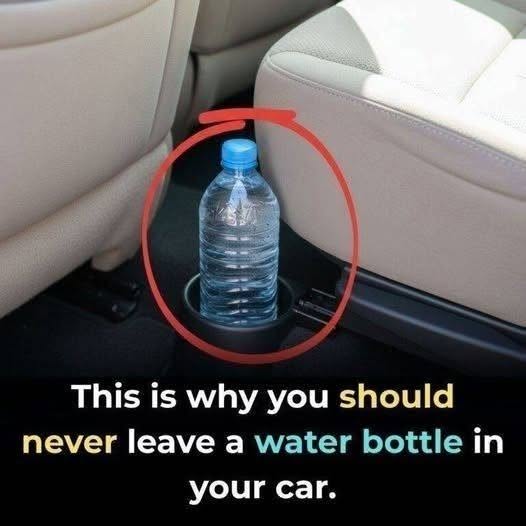
Leaving a water bottle in a hot car may seem harmless, but heat, sunlight, plastic, and hygiene concerns make it a habit worth reconsidering. Learn what can happen and how to store drinking water more safely.
Leaving a bottle of water in your car is something many people do without thinking. You finish part of it during a trip, put it in the cup holder, and plan to drink the rest later.
But when the vehicle sits in the sun, temperatures inside can rise dramatically. That raises several concerns—not all of them as dramatic as social media claims suggest.
So, should you really avoid leaving water bottles in your car? In general, yes, especially for long periods in a hot vehicle.
1. Heat Can Affect the Bottle and Its Contents
A parked car can become much hotter than the surrounding outdoor temperature, particularly when exposed to direct sunlight.
Repeated or prolonged heat exposure can affect the bottle’s material and may contribute to changes in the taste or odor of the water.
This doesn’t mean that taking one sip from a bottle that became warm automatically makes you sick. However, routinely storing drinking water in a hot vehicle isn’t ideal.
2. Plastic Bottles Aren’t Designed for Endless Heat Exposure
Most disposable water bottles are intended for short-term use and proper storage conditions.
When exposed to high temperatures, plastic can undergo physical and chemical changes. Manufacturers generally provide storage recommendations, so it’s sensible to follow the instructions on the bottle.
A particularly important point is not to assume that heating a plastic bottle makes its contents unsafe immediately. The risk depends on the type of plastic, temperature, duration of exposure, and other factors.
3. Sunlight Is a Bigger Concern Than a Warm Cup Holder
A bottle sitting directly in the sun deserves more caution than one stored in a shaded part of the vehicle.
Sunlight can heat the bottle substantially, while ultraviolet exposure may also contribute to degradation of some materials over time.
The safest habit is simple:
Don’t store bottled drinking water in direct sunlight inside a parked car.
4. The Biggest Everyday Problem May Be Germs
There’s another issue that has nothing to do with plastic.
Once you drink directly from a bottle, bacteria from your mouth can enter the remaining water.
If that bottle then sits warm for hours—or is repeatedly opened and used over several days—the opportunity for microbial growth increases.
This is particularly relevant with bottles that are repeatedly reused without being properly washed.
An easy rule:
Opened bottle + warm car + repeated use = not a great combination.
If you’ve left an opened bottle in a hot car for a prolonged period, replacing it is the safer choice.
5. What About the Viral Claim That a Bottle Can Start a Fire?
You’ve probably seen warnings about clear water bottles supposedly concentrating sunlight and setting a car seat on fire.
There is a real physical principle behind the concern: a clear, rounded water-filled object can potentially focus sunlight under particular conditions.
However, this is not a common everyday occurrence, and it requires specific circumstances involving sunlight, bottle shape, positioning, and combustible material.
Still, there’s little reason to take the chance.
Don’t leave a clear water bottle sitting in direct sunlight on or near materials that could potentially be heated.
6. Don’t Leave Water in the Car During Extreme Heat
If you’re parking your vehicle for several hours on a very hot day, take drinking water with you whenever practical.
Instead of leaving disposable bottles inside the car:
- Carry the bottle indoors.
- Keep water in a clean, suitable reusable bottle.
- Use an insulated bottle if you need water to remain cool.
- Store bottled water away from direct sunlight.
- Follow the manufacturer’s storage instructions.
7. What If You Accidentally Left a Bottle Overnight?
Don’t panic.
If an unopened bottle was left in the car for one night, the situation isn’t necessarily dangerous simply because it became warm.
Check the bottle for damage, leaks, unusual odor, or changes in appearance, and consider how long and how intensely it was exposed to heat.
If it’s an opened bottle that has been sitting in a hot vehicle for an extended period, throwing it away is a simple precaution.
8. A Better Habit for Drivers
Instead of keeping a permanent supply of disposable bottles in your car, make carrying water part of your routine.
Before leaving home, grab a clean bottle and fill it with fresh water.
When you return, take the bottle out of the vehicle rather than leaving it behind.
This small habit helps reduce both heat exposure and bacterial contamination.
The Bottom Line
The idea that every water bottle left in a car becomes immediately toxic is an exaggeration.
The more realistic concerns are prolonged heat exposure, degradation or damage to the container, unpleasant changes in taste, and bacterial growth—especially after a bottle has been opened and repeatedly used.
So the safest approach is straightforward:
Don’t make your hot car a storage cupboard for drinking water.
If you need water while traveling, keep it cool, clean, covered, and out of direct sunlight whenever possible.