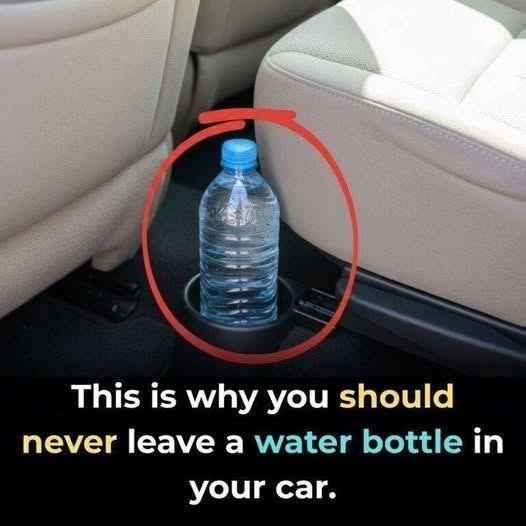
Learn why leaving a water bottle in a hot car can be a bad idea, including concerns about heat, plastic, water quality, and fire risk—and discover safer ways to store drinking water.
Leaving a water bottle in the car seems harmless. You might keep one in the cup holder for your commute, leave a bottle in the back seat after shopping, or store a few bottles in the trunk for emergencies.
But during hot weather, the inside of a parked vehicle can become extremely hot. That makes long-term storage of drinking water in a car something worth reconsidering.
1. Your Car Can Get Extremely Hot
Even when the outdoor temperature doesn’t seem extreme, the temperature inside a parked vehicle can rise rapidly when it’s exposed to sunlight.
A bottle sitting in direct sunlight may become much hotter than the surrounding air.
For that reason, it’s better not to treat your car as a refrigerator or pantry for drinking water.
2. Heat Can Affect Plastic Over Time
Many disposable water bottles are made from plastic designed for normal food and beverage use—not indefinite storage in a hot vehicle.
Repeated exposure to high temperatures can contribute to changes in the plastic and may increase the potential for substances from packaging to migrate into the water.
This doesn’t mean that taking a sip from a bottle that briefly became warm will automatically make you sick. The bigger concern is repeated or prolonged storage under high heat.
3. Don’t Rely on Viral Claims About “Toxic Plastic”
You’ve probably seen dramatic claims online suggesting that any plastic water bottle left in a hot car immediately releases dangerous chemicals.
That’s an oversimplification.
The actual risk depends on the type of container, temperature, duration of exposure, and other factors. Rather than assuming every warm bottle is toxic, the practical advice is simply to avoid storing drinking water in disposable plastic bottles in hot vehicles for long periods.
4. The Water Can Develop an Unpleasant Taste
Heat and prolonged storage can affect the taste and freshness of bottled water.
If a bottle has been sitting in a hot car for days or weeks, particularly after being opened, it’s better to replace it rather than continue drinking from it.
Once you’ve opened a bottle, bacteria from your mouth and surroundings can also contaminate the remaining water.
5. There’s Another Risk: Fire
One of the more unusual dangers involves clear plastic bottles filled with water and direct sunlight.
Under certain circumstances, a bottle can act like a lens and concentrate sunlight onto a small area. There have been documented cases of this causing scorching or fire when the bottle is positioned in a way that focuses sunlight onto flammable material.
This is uncommon, but it’s another reason not to leave transparent bottles sitting in direct sunlight.
6. Don’t Leave Reusable Bottles in a Hot Car Either
Reusable bottles are generally a better long-term choice than repeatedly using disposable bottles, but they shouldn’t automatically be left in a hot vehicle indefinitely.
If the bottle contains water and remains warm for a long time, especially after drinking directly from it, bacteria can multiply.
Wash reusable bottles regularly with hot water and dish soap, paying particular attention to lids, seals, straws, and other small components.
What’s a Better Approach?
If you want to keep water available while traveling, consider these simple habits:
Keep water out of direct sunlight.
Store bottles in an insulated bag or cooler whenever practical.
Don’t leave your supply in the car for days.
Bring unused bottles indoors when you return home.
Replace bottles that have been sitting in extreme heat for a prolonged period.
Wash reusable bottles regularly.
Never leave water bottles where sunlight can focus onto seats, paper, fabric, or other flammable materials.
What About Emergency Water Storage?
If you’re keeping water for an emergency, your best option is purpose-made water storage containers rather than a collection of ordinary disposable bottles sitting in a hot car.
For emergency preparedness, follow the manufacturer’s storage recommendations and keep water in a cool, clean location whenever possible.
The Bottom Line
Leaving a water bottle in your car for a short trip isn’t something to panic about. The real concern is prolonged exposure to high temperatures, especially direct sunlight.
If a bottle has been sitting in a scorching vehicle for days, don’t make it your regular drinking supply. Keep water cool, protected from sunlight, and stored according to the container manufacturer’s recommendations.
A simple habit—take your drinking water with you when you leave the car—can help preserve its quality and eliminate several unnecessary risks.