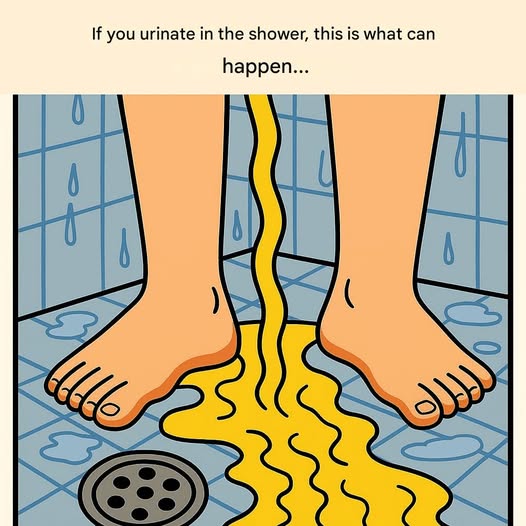
Wondering what happens if you pee in the shower? Learn whether it’s actually harmful, what health experts say about the habit, and when it may be worth changing your routine.
You’ll Be Surprised What Happens If You Pee in the Shower
It’s a question many people have wondered about but rarely ask out loud:
Is peeing in the shower actually bad for you?
The short answer is: for most healthy adults, occasionally urinating in the shower is unlikely to cause a serious health problem.
However, there are a few hygiene and bladder-related considerations worth knowing.
Is Peeing in the Shower Unhealthy?
Urine from a healthy person is generally not a major source of infection risk in an ordinary shower.
If you urinate while showering, the urine is diluted by the running water and washed down the drain.
So the dramatic claims you may see online about peeing in the shower causing serious illness are generally exaggerated.
That said, your bathroom habits still matter, especially if you’re sharing a shower or bathtub with other people.
Your Feet Are Probably Not the Problem
Some viral posts claim that urine will somehow “soak into your feet” and cause infections.
That’s not how normal skin works.
Healthy, intact skin provides a protective barrier, and simply standing in diluted urine briefly isn’t expected to cause a urinary infection or other serious illness.
However, if you have open wounds or broken skin, keeping the area clean is important.
What About the Smell?
If urine remains on surfaces rather than being thoroughly rinsed away, it can contribute to unpleasant odors.
That’s why good bathroom hygiene matters.
If you regularly urinate in the shower, make sure the shower floor and drain area are cleaned appropriately.
Could It Affect Your Bladder Habits?
This is where the issue becomes more interesting.
Some pelvic-health specialists caution that regularly urinating whenever you hear running water could potentially reinforce an association between the sound or sensation of water and the urge to urinate.
For some people, this may contribute to urinary urgency or make them feel as though they need to urinate when they hear water running.
That doesn’t mean everyone who pees in the shower will develop bladder problems.
But if you already experience frequent urgency or difficulty controlling your bladder, it’s worth paying attention to whether running water seems to trigger the urge.
What About Women?
For women, the same basic hygiene principles apply.
Urine itself isn’t automatically dangerous, but wiping and cleaning properly remains important.
If you experience burning during urination, pelvic pain, unusual discharge, blood in the urine, fever, or persistent urinary urgency, don’t assume it is simply related to shower habits.
Those symptoms can indicate a urinary or genital health problem and should be discussed with a healthcare professional.
Can Peeing in the Shower Cause a UTI?
There’s no good evidence that simply urinating in the shower causes urinary tract infections in otherwise healthy people.
UTIs generally occur when bacteria enter and multiply in the urinary tract.
Your risk is influenced by factors such as anatomy, sexual activity, urinary retention, certain medical conditions, and other individual factors—not simply whether you urinate while showering.
There Is One Practical Concern
If you’re sharing a shower with someone else, deliberately urinating where another person bathes isn’t particularly considerate.
A shower isn’t a toilet, and urine can come into contact with the floor and other surfaces.
For shared bathrooms, using the toilet is the more hygienic and socially appropriate choice.
So, Should You Stop?
If you’ve occasionally peed in the shower, there’s probably no reason to panic.
For most healthy people, it’s unlikely to cause harm when the shower is properly cleaned.
But if you have urinary urgency, pelvic-floor problems, incontinence, recurrent urinary symptoms, or you find that running water immediately triggers the need to urinate, consider using the toilet instead.
The Bottom Line
Peeing in the shower isn’t the dangerous habit that some viral posts make it sound like.
The main concerns are hygiene and, for some people, developing a strong association between running water and the urge to urinate.
If you feel healthy and it happens occasionally, there’s generally no reason to be alarmed.