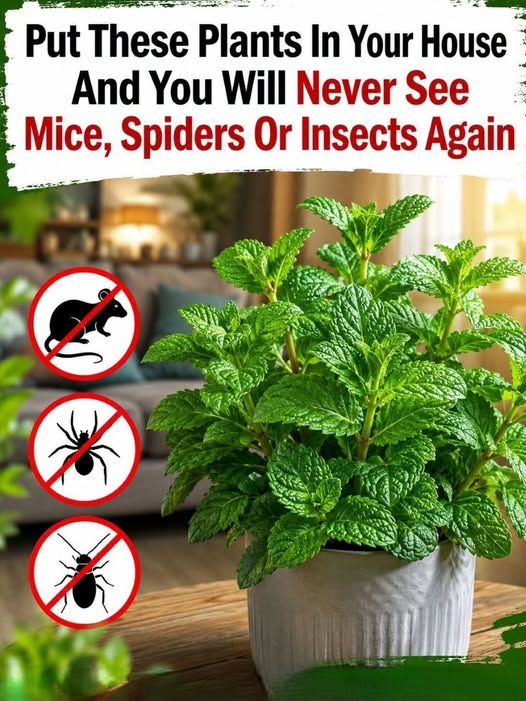
Sometimes, the most useful plants in your home aren’t just beautiful—they may also help make your living space feel fresher, more pleasant, and naturally protected. One humble potted plant in particular has earned a reputation as a traditional household favorite for helping discourage certain unwanted insects.
🌱 The Plant That May Already Be in Your Home
Basil is one of the best-known herbs to keep around the house. Its strong natural aroma comes from aromatic compounds in its leaves, and many people enjoy growing it near kitchen windows, balconies, or sunny patios.


Basil is especially convenient because it serves several purposes at once:
- 🌿 Adds greenery to your home
- 🍃 Provides fresh leaves for cooking
- 🪴 Can be grown in a relatively small pot
- ☀️ Thrives with plenty of sunlight
- 🌸 Has a distinctive herbal fragrance
- 🐜 Its aroma may help make an area less attractive to some insects
How to Grow Basil Indoors
Choose a pot with good drainage and place it somewhere that receives several hours of sunlight each day. Keep the soil lightly moist, but avoid leaving the roots sitting in water.
When harvesting, pinch or cut the leaves regularly. This encourages the plant to produce more branches and keeps it bushier.
A Simple Natural Home Tip
Place a healthy basil plant near a sunny kitchen window, balcony door, or other bright area where you want to enjoy its fragrance. Remember, though, that a plant shouldn’t be considered a guaranteed pest-control method. For a serious insect infestation, proper pest-control measures are more reliable.
🏡 Why Keep Basil at Home?
The real advantage is that basil is useful even beyond pest-related claims. You get an attractive, edible herb that can be added to pasta, salads, sauces, sandwiches, soups, and homemade drinks.
So before buying complicated solutions for your kitchen or balcony, look at what is already growing in your pots. Sometimes a simple herb can be one of the most useful plants around the home.
Meta Description: Discover why keeping a potted basil plant at home can be useful, how to grow it indoors, and how its natural aroma may help discourage some household insects.