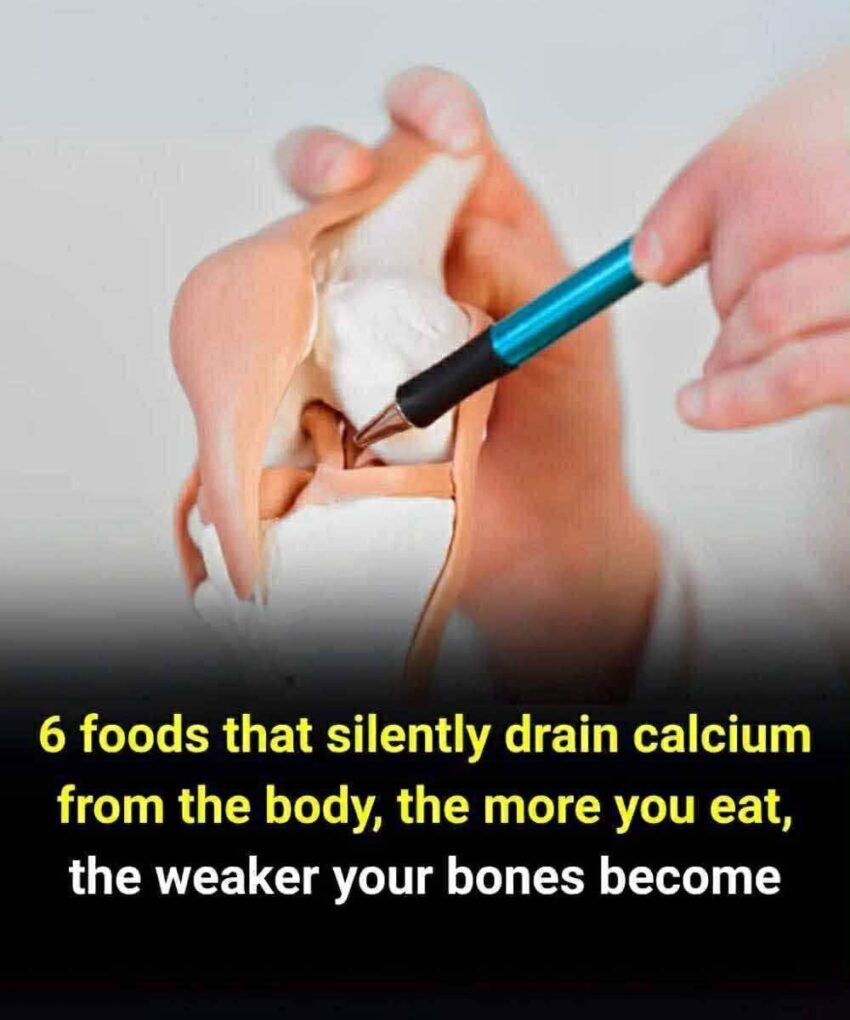
Discover 6 foods and drinks that may affect calcium absorption or bone health when consumed excessively, plus simple ways to protect your bones with a balanced diet.
Strong bones need more than calcium supplements. Your body also needs vitamin D, protein, magnesium, phosphorus and regular physical activity to maintain healthy bones throughout life.
Some foods are perfectly fine in moderation, but consuming certain foods or drinks excessively may make it harder to maintain good bone health. The key is not to eliminate them completely, but to understand how they fit into an overall balanced diet.
Here are six worth paying attention to.
1. Salty Processed Foods
Foods such as chips, instant noodles, packaged snacks, processed meats and heavily salted meals can contain large amounts of sodium.
High sodium intake can increase the amount of calcium lost through urine. This doesn’t mean that eating one salty meal will suddenly weaken your bones, but consistently eating a very high-sodium diet may work against bone health.
What to do: Choose fresh foods more often and use less added salt. When buying packaged foods, check the sodium level on the nutrition label.
2. Sugary Soft Drinks
Colas and other sugar-sweetened soft drinks can become a problem when they regularly replace nutritious beverages such as milk or fortified alternatives.
The concern is not simply that one soda “removes calcium from your bones.” Rather, frequent soft-drink consumption may contribute to a diet that provides less calcium and other nutrients needed for healthy bones.
What to do: Make water, milk or calcium-fortified unsweetened beverages your everyday choices, and keep soft drinks occasional.
3. Excessive Caffeine
Coffee, strong tea, energy drinks and some soft drinks contain caffeine.
Moderate caffeine intake generally isn’t considered a reason to avoid coffee or tea altogether. However, high caffeine consumption may slightly reduce calcium absorption and can become more relevant when your overall calcium intake is already low.
What to do: If you drink a lot of caffeinated beverages, make sure your diet also contains enough calcium-rich foods.
4. Very Large Amounts of Bran or High-Phytate Foods
Whole grains, bran, beans, nuts and seeds can be nutritious foods. However, they contain compounds called phytates, which can bind minerals and reduce absorption to some degree.
This does not mean these foods are bad for your bones. In a normal mixed diet, the nutritional benefits of these foods are substantial.
What to do: Don’t remove whole grains, beans or seeds from your diet. Instead, eat a varied diet containing calcium-rich foods throughout the day.
5. Excessive Alcohol
Heavy alcohol consumption is associated with poorer bone health and an increased risk of fractures.
Alcohol can interfere with nutrition and may affect the cells and hormones involved in maintaining bone tissue.
What to do: If you drink alcohol, keeping intake low is important for overall health as well as bone health.
6. Highly Processed Foods That Replace Nutritious Meals
This category includes foods such as packaged snacks, sweets, fast food and highly refined convenience foods.
The problem is often what these foods replace. If meals regularly contain little milk or fortified alternatives, yogurt, cheese, beans, leafy greens, fish or other nutrient-rich foods, your calcium and protein intake may fall.
What to do: Build meals around nutrient-rich foods rather than trying to completely ban individual foods.
What Should You Eat for Stronger Bones?
Instead of focusing only on foods to avoid, make sure your regular diet includes calcium-rich choices.
Good options include:
- Milk and yogurt
- Cheese in moderate portions
- Calcium-fortified plant milks
- Sardines or canned fish with edible bones
- Tofu made with calcium
- Beans and lentils
- Leafy green vegetables
- Nuts and seeds
Vitamin D is also important because it helps your body absorb calcium. Safe sunlight exposure, vitamin-D-containing foods and supplements when medically appropriate can all contribute to maintaining adequate vitamin D.
The Bottom Line
No single food automatically “drains calcium” from your body or guarantees weak bones. Bone health is influenced by your overall diet, calcium and vitamin D status, physical activity, age, hormones, medications and other health factors.
So you don’t need to fear coffee, whole grains, beans or an occasional soft drink. The bigger concern is a long-term eating pattern that is very high in sodium, alcohol or highly processed foods while being low in calcium and other essential nutrients.
Strong bones come from the overall pattern—not from avoiding one particular food.