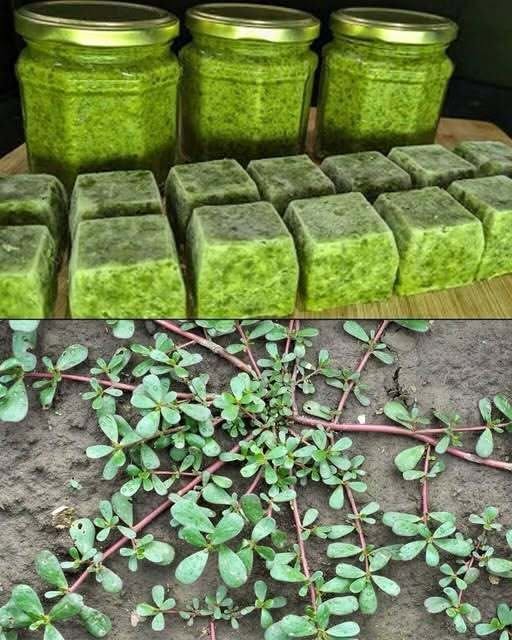
Purslane may be growing quietly in your garden, yard, or even between cracks in the ground, but this humble plant is much more than a common weed. Known scientifically as Portulaca oleracea, purslane is an edible leafy green that has been used as food in many cultures for generations.
Its small, succulent leaves and reddish stems contain a variety of nutrients, including fiber, vitamin C, vitamin E, carotenoids, minerals, antioxidants, and the plant-based omega-3 fatty acid alpha-linolenic acid (ALA).
But what happens if you eat purslane every day?
For most healthy people, adding reasonable amounts of properly identified purslane to a varied diet can be a nutritious choice. However, eating it every day isn’t a guarantee of better health, and there are a few important considerations—particularly its oxalate content.
Let’s take a closer look.
1. You Add More Nutrients to Your Diet
One of the biggest advantages of purslane is its nutritional density.
Purslane can contribute:
- Vitamin C
- Vitamin E
- Carotenoids
- Magnesium
- Potassium
- Calcium
- Iron
- Folate
- Dietary fiber
- Alpha-linolenic acid (ALA)
The exact amounts depend on growing conditions, maturity, serving size, and preparation.
Adding purslane to meals can therefore be an easy way to increase the variety of nutrient-rich vegetables in your diet.
2. Your Digestive System Gets More Fiber
Purslane contains dietary fiber, which supports normal digestive function.
Fiber helps add bulk to stool and can contribute to regular bowel movements. It also forms part of a dietary pattern associated with overall digestive and metabolic health.
However, if you suddenly begin eating a large amount of purslane every day, you may initially experience:
- Gas
- Bloating
- Loose stools
- Abdominal discomfort
A better approach is to introduce it gradually, particularly if your normal diet contains little fiber.
3. You Get Plant-Based Omega-3 Fatty Acids
Purslane is particularly interesting because it contains alpha-linolenic acid (ALA).
ALA is an essential omega-3 fatty acid, meaning your body needs to obtain it from food.
Omega-3 fatty acids have important roles in normal cell function and overall health.
However, there’s an important distinction: ALA isn’t the same as EPA and DHA, the omega-3 fatty acids found in foods such as fatty fish and algae. Your body can convert ALA into EPA and DHA, but that conversion is limited.
So purslane is a useful plant source of ALA, but it shouldn’t automatically be considered a complete replacement for other omega-3 sources.
4. Your Diet Gets More Antioxidants
Purslane contains antioxidant compounds, including carotenoids and vitamins with antioxidant properties.
Antioxidants help protect cells from oxidative stress as part of the body’s normal biological processes.
However, don’t think of purslane as a magical “detox” food.
The best approach is to consume a variety of plant foods, because different vegetables, fruits, legumes, nuts, seeds, and whole grains provide different combinations of beneficial compounds.
Purslane can simply be one more nutritious plant in that mix.
5. It May Support a Heart-Friendly Eating Pattern
Purslane contains several nutrients that can fit into a heart-conscious diet, including potassium, magnesium, fiber, and ALA.
But it’s important not to overstate what the plant can do.
Eating purslane doesn’t by itself prevent heart disease or lower cardiovascular risk. Your overall lifestyle—including your diet, physical activity, sleep, smoking status, blood pressure, cholesterol, and other factors—matters far more.
Think of purslane as a nutritious ingredient, not a treatment.
6. You May Eat More Vegetables Overall
Sometimes the biggest benefit of discovering a new vegetable is simply that it makes healthy eating more interesting.
Purslane has a slightly tangy, fresh flavor and succulent texture. You can use it in place of—or alongside—other leafy greens.
Try adding it to:
- Salads
- Soups
- Omelets
- Lentil dishes
- Stir-fries
- Wraps
- Grain bowls
- Vegetable stews
- Yogurt-based dishes
Eating a greater variety of vegetables can help you obtain a broader range of nutrients and plant compounds.
7. Your Meals May Become More Filling
Because purslane contains water and fiber while being relatively low in calories, it can add volume to meals.
For example, combining purslane with beans, lentils, vegetables, whole grains, and a healthy source of fat can create a satisfying meal without relying heavily on highly processed foods.
Of course, adding lots of oil, cheese, creamy sauces, or other calorie-dense ingredients can substantially change the nutritional profile of the final dish.
8. What About Blood Sugar?
You may see claims online that purslane “lowers blood sugar” or “reverses diabetes.”
Those claims go much further than the evidence supports.
Researchers have investigated purslane and blood-glucose-related effects, but that doesn’t mean eating purslane is a treatment for diabetes.
If you have diabetes or take medication that affects blood sugar, don’t replace your prescribed treatment with purslane.
Instead, it can be considered one nutritious vegetable within an overall balanced eating plan.
9. Could Purslane Affect Blood Pressure?
Purslane provides potassium and other nutrients that are relevant to normal cardiovascular function.
But again, eating purslane shouldn’t be presented as a substitute for blood-pressure treatment.
If you have high blood pressure, continue following the treatment and lifestyle recommendations provided by your healthcare professional.
10. You May Get More Vitamin C and Carotenoids
Purslane can provide vitamin C and carotenoid compounds.
Vitamin C contributes to normal immune function, collagen formation, and antioxidant protection.
Carotenoids are plant pigments found in many colorful fruits and vegetables. Some carotenoids can also serve as precursors to vitamin A.
The amount you consume will depend on how much purslane you eat and how it is prepared.
11. Eating Too Much May Not Be Better
This is where the idea of a daily “superfood” habit needs some perspective.
You don’t need to eat enormous amounts of purslane to benefit from including it in your diet.
In fact, consuming unusually large quantities every day may not be appropriate for everyone.
One reason is oxalates.
Purslane Contains Oxalates
Oxalates are naturally occurring compounds found in many plant foods.
For most people, eating oxalate-containing vegetables isn’t necessarily a problem. But people who are susceptible to certain kidney stones—particularly calcium oxalate stones—may need to pay more attention to their oxalate intake.
If you’ve previously had kidney stones or have been told to follow a low-oxalate diet, speak with your doctor or registered dietitian before making purslane a large daily part of your diet.
12. Raw or Cooked: Which Is Better?
Both are options.
Fresh purslane can be eaten raw after thorough washing and can add a crisp, slightly tangy element to salads.
It can also be:
- Sautéed
- Added to soups
- Cooked with vegetables
- Mixed into stews
- Added to eggs
- Used in sauces
Cooking can change the nutritional composition of vegetables. In particular, prolonged cooking in water can reduce some water-soluble vitamins.
There isn’t one preparation method that makes purslane universally “best.”
13. What About Freezing Purslane?
The image above shows purslane being prepared and frozen in portions.
Freezing can be a convenient way to preserve seasonal greens and make them easier to use later.
You can portion prepared purslane into small containers or freezer-safe molds and add individual portions to soups, stews, sauces, or cooked dishes.
However, freezing doesn’t turn purslane into a medicine. The goal is simply to make a nutritious food convenient to use.