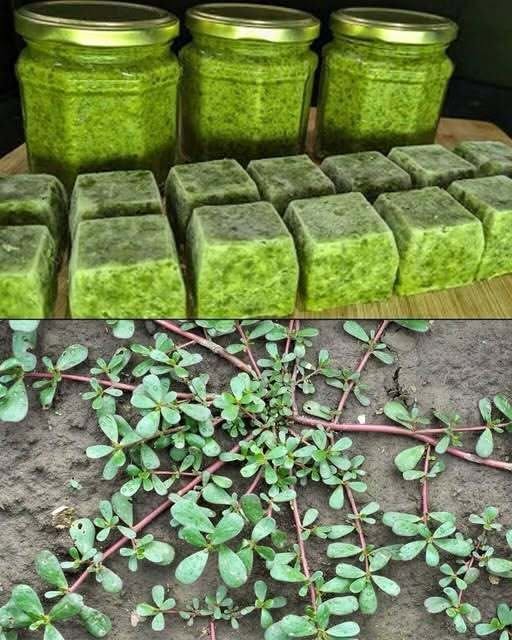
How to Prepare Purslane Safely
If you’re harvesting purslane yourself, correct identification is essential.
Don’t eat a wild plant simply because it resembles a photograph you’ve seen online. Purslane can be confused with other plants, including species that aren’t appropriate to consume.
Also consider where it was growing.
Avoid harvesting plants from areas that may have been exposed to:
- Herbicides or pesticides
- Road pollution
- Animal waste
- Contaminated water
- Other environmental pollutants
Wash edible purslane thoroughly before eating it.
A Simple Way to Eat Purslane Every Day
You don’t need a complicated recipe.
Fresh Purslane Salad
Combine:
- 1–2 handfuls of washed purslane
- Chopped tomato
- Cucumber
- A small amount of onion
- Lemon juice
- Extra-virgin olive oil
- Herbs or spices
For a more complete meal, add chickpeas, beans, lentils, eggs, or another protein source.
This gives you a combination of vegetables, fiber, protein, healthy fats, and other nutrients rather than relying on purslane alone.
Who Should Be Careful With Daily Purslane?
Daily consumption deserves extra consideration if you:
- Have a history of kidney stones
- Have been advised to follow a low-oxalate diet
- Have kidney disease or another condition requiring dietary mineral restrictions
- Take multiple medications and are considering concentrated purslane preparations
- Are pregnant or breastfeeding and are considering unusually large amounts or herbal extracts
Food amounts and concentrated extracts are not necessarily equivalent. If you’re considering purslane supplements rather than simply eating it as a vegetable, professional advice is particularly worthwhile.
The Bottom Line
Eating purslane every day can be a simple way to add fiber, vitamins, minerals, antioxidants, and plant-based ALA omega-3 fatty acids to your diet.
You may benefit most by treating purslane as one component of a diverse, nutrient-rich eating pattern rather than as a miracle food.
For most healthy adults, a reasonable serving incorporated into meals can be a nutritious choice. But more isn’t necessarily better. People with a history of certain kidney stones or specific dietary restrictions may need to limit their intake because purslane can contain substantial oxalates.
And if you’re harvesting it yourself, make sure you’ve correctly identified the plant and that it has grown in a clean, safe environment.
Purslane may be a weed to your garden—but nutritionally, it’s a surprisingly valuable leafy green.
Frequently Asked Questions
Can you eat purslane every day?
Many healthy adults can include reasonable amounts of properly identified purslane in a varied diet. However, daily large amounts may not be appropriate for everyone, particularly people who need to manage dietary oxalates.
Is purslane good for your body?
Purslane provides fiber, vitamins, minerals, antioxidants, and ALA omega-3 fatty acids. Its nutritional value makes it a useful addition to a varied diet.
Can you eat purslane raw?
Yes. Properly identified and thoroughly washed purslane can be eaten raw, such as in salads.
Does purslane contain omega-3?
Yes. Purslane is notable for containing alpha-linolenic acid (ALA), a plant-based essential omega-3 fatty acid.
Is purslane good for diabetes?
Purslane is a nutritious vegetable that can fit into a balanced diet, but it should not be considered a treatment for diabetes or used instead of prescribed medication.
Can purslane cause kidney stones?
Purslane contains oxalates, which can be relevant to people prone to calcium oxalate kidney stones. If you have a history of kidney stones, ask your healthcare professional whether purslane fits your diet.
Can purslane be frozen?
Yes. Properly prepared purslane can be portioned and frozen for later use in cooked dishes. Freezing can make seasonal purslane more convenient to store.
Disclaimer: This article is for educational purposes only and isn’t a substitute for medical advice. Only consume wild plants when you can positively identify them as edible and know they have been grown in a safe environment. If you have kidney disease, a history of kidney stones, take medication regularly, or have another medical condition, consult a qualified healthcare professional before making significant dietary changes.